The Aiper Scuba S1 is the best Aiper pool cleaner, but only for the right pool
Aiper’s lineup makes more sense when you stop treating every blue, green, or black machine bearing the Scuba name as a variation of the same robot. The range includes random floor sweepers, tracked wall climbers, a camera-guided debris hunter, a solar surface skimmer, two listings for the Scuba S1, and renewed machines carrying battery histories the listing does not adequately explain.
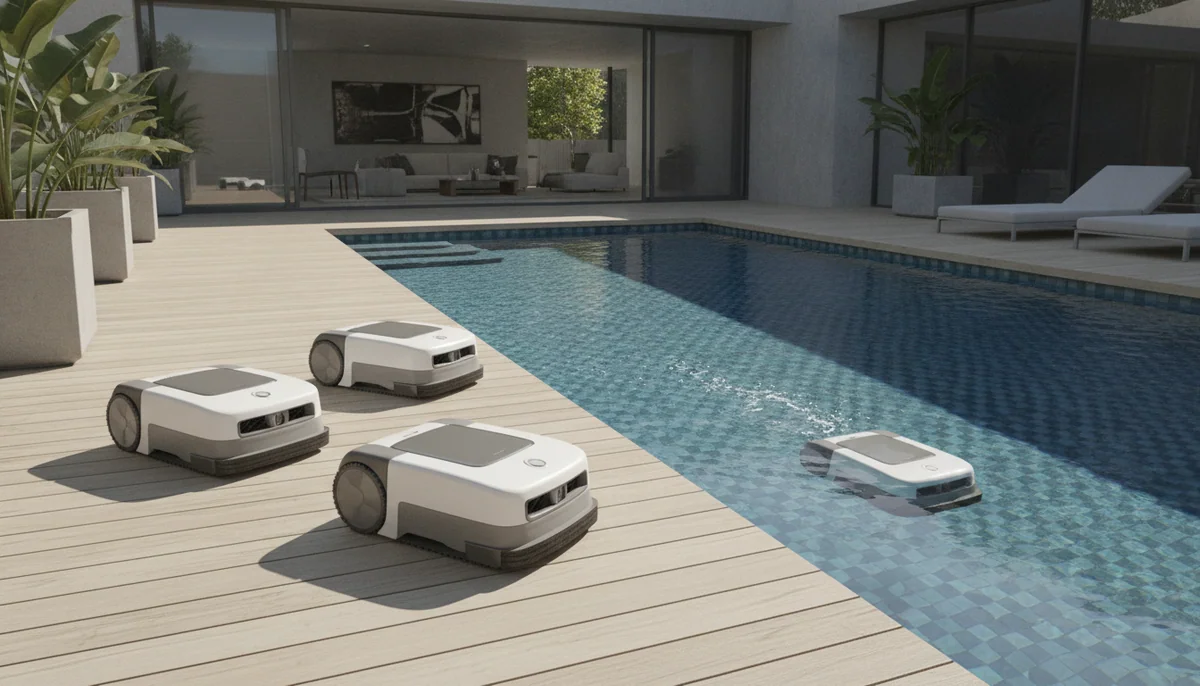
The 2026 Scuba S1 is the strongest overall choice because it combines the things most buyers actually need: deliberate floor coverage, wall and waterline capability, a removable fine filter, physical controls, app-based configuration, and enough claimed runtime for a substantial residential-pool cycle. Its longer 270-minute figure belongs to Eco maintenance, while the ordinary Auto, Floor, Wall, and Scheduled modes are listed for up to 180 minutes.
That recommendation has a hard boundary. The S1’s best evidence comes from open floors and conventional walls, not complicated staircases, attached spas, broad tanning ledges, abrupt depth changes, or every kind of waterline deposit. Exact owners also report filter loading, repeated routes, a walking-motor error, and features that perform differently from one pool to another.
Buy the winner if
Your pool has a broad, accessible floor, manageable walls, relatively few awkward features, and a recurring mix of leaves, grit, sand, or settled fine debris.
Choose something else if
Steps and ledges are the main cleaning problem, lifting a wet cordless robot will be difficult, or you prefer continuous power and a more established ownership record to freedom from a cable.
Buyers who reach that second description should compare the wider field of robotic pool cleaners rather than forcing an Aiper-shaped answer onto the wrong pool. A corded model such as the Dolphin Nautilus CC exchanges charging and battery aging for a cable, a trade examined in our Dolphin Nautilus CC review and corded versus cordless guide.
At a Glance: All Aiper Pool cleaners Compared
| Feature | Editor's Pick (2026 Upgrade) Aiper Scuba S1 | Aiper EcoSurfer S2 | Aiper Scuba V3 | Aiper Scuba S1 | Aiper Seagull SE | Aiper Scuba 2025 | Aiper Scuba S3 | (Renewed) Aiper Cordless Robotic Pool | Aiper Scuba N1 renewed |
|---|---|---|---|---|---|---|---|---|---|
| Price Range | $200–$500 | Under $200 | $500–$1,000 | $500–$1,000 | Under $200 | Under $200 | Under $200 | Under $200 | $200–$500 |
| Claimed runtime | — | — | Up to 180 minutes | — | Up to 90 minutes | Up to 95 minutes | — | — | Up to 150 minutes |
| Check Price on Amazon | Check Price on Amazon | Check Price on Amazon | Check Price on Amazon | Check Price on Amazon | Check Price on Amazon | Check Price on Amazon | Check Price on Amazon | Check Price on Amazon |
The Aiper models, ranked
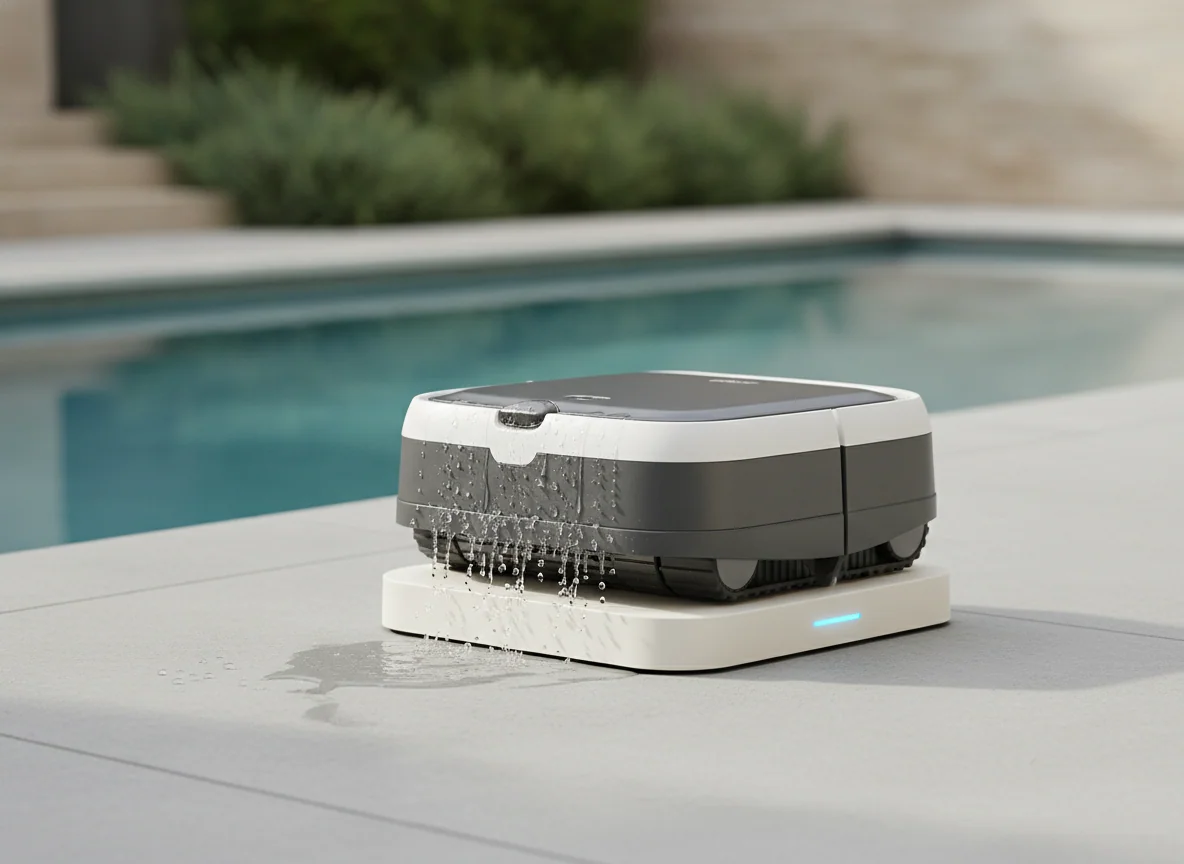
1. (2026 Upgrade) Aiper Scuba S1 — The 2026 Scuba S1 is the best Aiper cleaner for a conventional pool with an open floor.
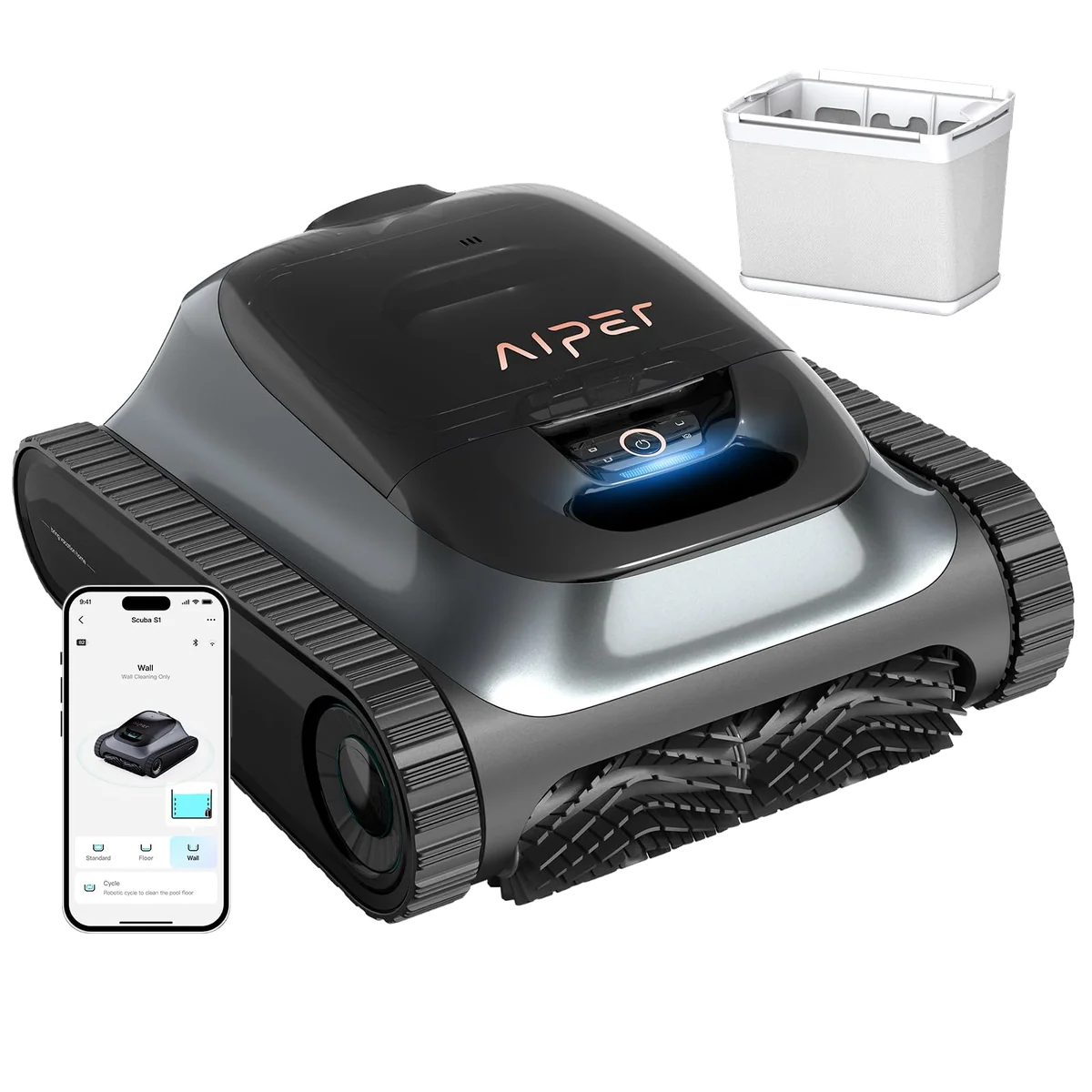
It wins by combining systematic routing, floor-to-waterline cleaning, dual filtration, long standard cycles, and an Eco maintenance option in Aiper’s most balanced package.
Its 270-minute headline applies to Eco mode, while steps, ledges, free-form transitions, filter loading, and early motor faults can still interrupt the clean.
The S1 is not the most futuristic Aiper, but it asks the fewest buyers to pay for a talent they may rarely use. Its standard basket handles leaves and ordinary debris, while the removable 3-micron layer gives fine dust and sand a better chance of staying captured. The cleaner can be run in focused Floor, Wall, or other supported modes, which matters when a pool needs useful allocation of battery rather than the longest possible tour.
Exact owners describe strong floor pickup, wall climbing in suitable cement and lined pools, and meaningful waterline work. The same record includes a free-form pool where a straight-line setting worked better than the recommended random pattern, a fine insert that did not seal perfectly, a machine that became stranded on wide steps, and a unit that produced a walking-motor error after one use.
Read the runtime language carefully. Aiper lists up to 270 minutes for Eco maintenance and up to 180 minutes for Auto, Floor, Wall, and Scheduled modes, so this is not a four-and-a-half-hour full-power deep clean. The listing also claims a two-year warranty, app support, a weekly plan, eleven sensors, and four-zone cleaning that includes shallow areas deeper than 12 inches.
Buy it when the pool’s main challenge is a broad floor with ordinary walls and only a few awkward features. If steps, tanning ledges, benches, or a circular spa decide whether a robot succeeds, see the models selected for steps and shallow shelves before treating the S1’s four-zone claim as a guarantee.
2. Aiper EcoSurfer S2 — The EcoSurfer S2 is Aiper’s best answer to floating pollen, bugs, and moderate leaf fall.
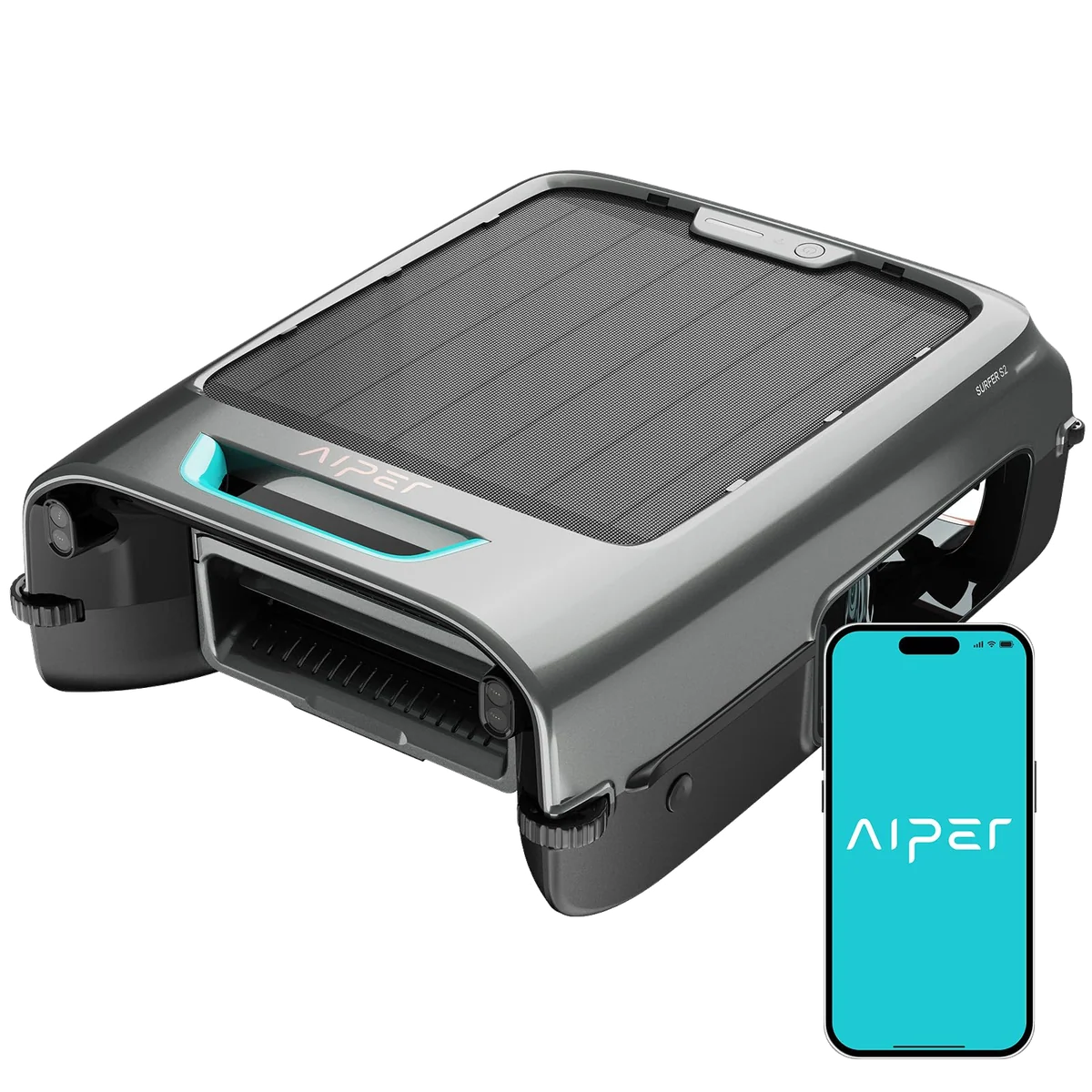
Its solar-assisted patrol, fine surface filtration, scheduling, and debris-retaining basket can remove a tedious layer of daily skimming.
It cannot clean submerged surfaces, and slow intake, a four-liter basket, obstacle sensitivity, and repeated drive-component complaints limit confidence.
The S2 is a companion to the roundup winner rather than a substitute for it. It floats at the surface and intercepts debris before it sinks, reducing work for the pool’s skimmer, filter, and underwater robot. Owner reports are particularly persuasive about pollen, tiny insects, lint, hair, petals, and scattered leaves, while the solar panel can sustain long stretches of operation in a sunny pool.
Patience is part of the bargain. The route is a slow patrol rather than a mapped pursuit of individual leaves, and heavy debris can sink before the skimmer arrives or fill the basket quickly. Hoses, return currents, shallow entries, and skimmer openings can interfere, while clicking baskets, frozen rear propellers, jam alerts, and non-turning intake components appear in detailed ownership accounts.
Aiper lists 150-micron filtration, up to 35 hours of operation from a plug-in charge when sunlight is unavailable, an included DC charging option, app scheduling, manual steering, obstruction alerts, and 24 months of product care. The “24/7” promise is explicitly conditional on sufficient sunlight.
Choose it when floating debris is the recurring nuisance and the pool receives enough daylight to exploit solar charging. For a direct alternative, our EcoSurfer S2 and Betta SE Plus comparison weighs Aiper’s app and fine filtration against the Betta’s simpler ownership proposition.
Strengths
- Solar charging can sustain scheduled operation for long stretches in a sunny pool.
- The 150-micron filtration is especially persuasive against pollen, tiny insects, lint, and fine surface debris.
- DebrisGuard usually keeps collected material inside the basket while the robot reverses or is retrieved.
- The included wall charger, schedules, battery display, manual steering, and jam alerts make daily ownership flexible.
Limitations
- Slow, semi-random coverage is poorly suited to urgent cleanup after a heavy debris dump.
- The four-liter basket can require frequent emptying beneath shedding trees.
- Return jets, wind, hoses, skimmer openings, and shallow entries can interrupt otherwise automatic operation.
- Repeated motor, propeller, impeller, and basket-drive complaints make durability the purchase’s largest uncertainty.
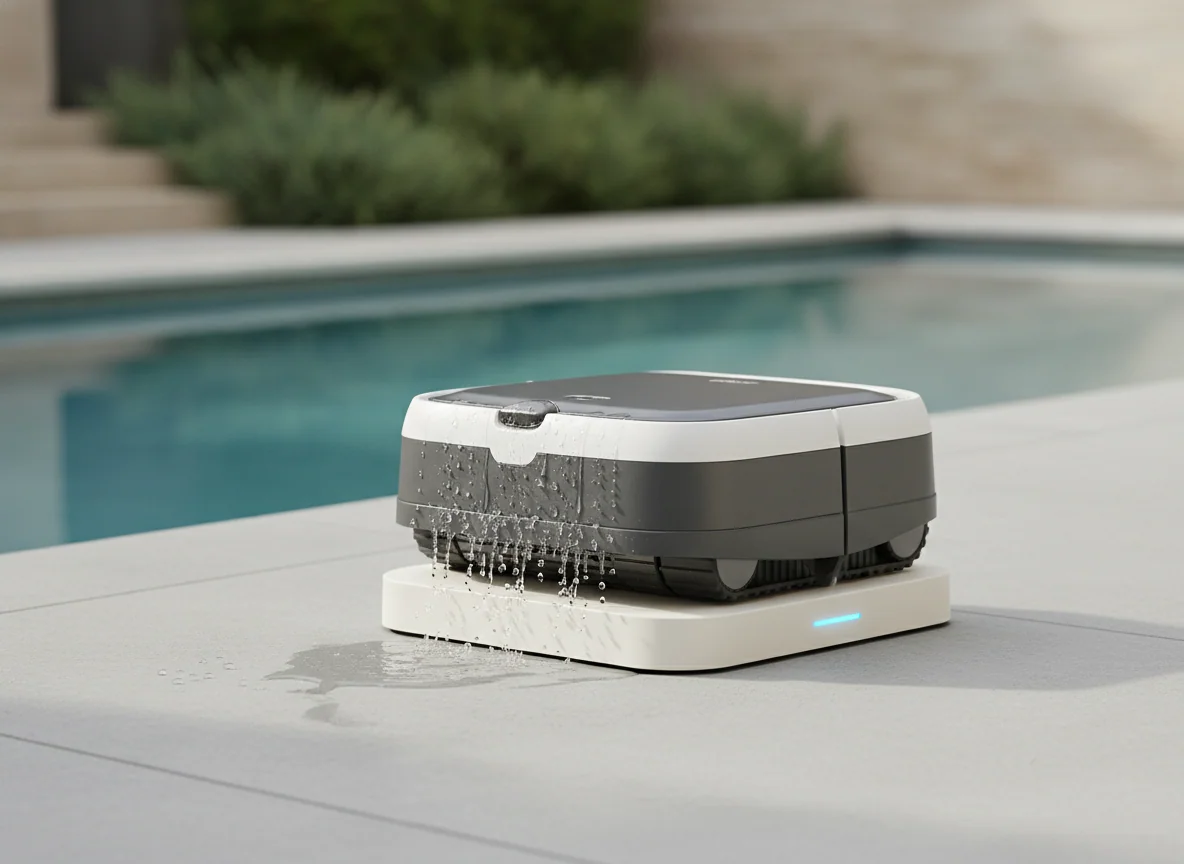
3. Aiper Scuba V3 — The Scuba V3 is the right Aiper for buyers who want a robot to hunt visible leaves quickly.
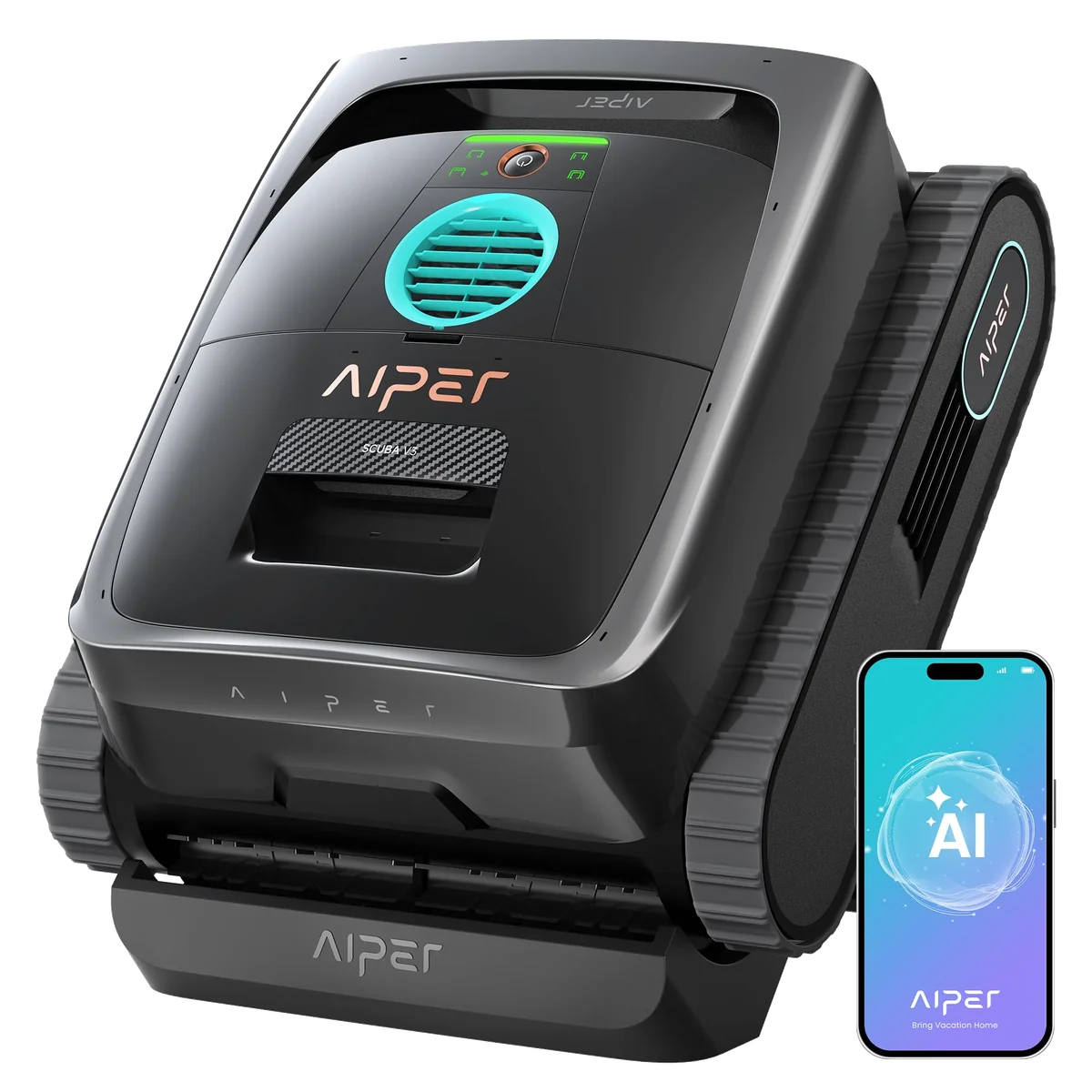
Its camera-guided patrol can find conspicuous debris far faster than a blind whole-floor route, while dedicated floor, wall, and waterline modes preserve ordinary cleaning.
Its AI can waste time or miss regions, and fine sediment, steps, benches, wet lifting, dock care, and lost underwater connectivity remain decidedly ordinary.
The V3’s camera is not empty decoration. Exact owners have watched it rotate, identify a dark leaf, and move directly toward the target after firmware and navigation settings were corrected. Other owners obtained a better grid and more complete routine clean by turning off the AI functions, which captures the product’s central contradiction: recognizing debris can work better than deciding how to cover the entire pool.
This model suits a pool where wind or a storm leaves a few visible piles and the owner wants a quick pre-swim cleanup. It is less compelling when powdery sediment covers the floor evenly, narrow steps need consistent attention, or the buyer expects to steer the machine after it is submerged. Ordinary Wi-Fi and Bluetooth contact disappear underwater, and waterline parking still leaves the owner to hook, lift, drain, dry, and dock the robot.
Aiper lists up to 180 minutes of runtime, a five-hour charge, an 18,170-liter-per-hour flow claim, floor-to-waterline cleaning, a camera intended to identify more than 20 debris types, and a multilayer filter with a 3-micron inner stage. It also describes weekly AI maintenance and a wireless dock, but the owner record shows that the dock uses contacts that should be dry before charging.
The camera premium makes sense only if visible debris hunting is a frequent job. Our Scuba S1 and Scuba V3 comparison isolates what that camera changes, while the V3 and Dolphin Nautilus CC Plus comparison addresses battery convenience versus corded automation.
Strengths
- The camera can find and collect deliberately placed leaves much faster than a blind coverage route.
- Floor coverage can be excellent in a conventional pool area.
- Dedicated horizontal waterline travel gives the tile band more attention than occasional vertical contact.
- The included fine insert gives owners a useful second-stage filter for follow-up cleaning.
- The 18-pound dry body is lighter than many premium full-zone cordless robots.
- Physical controls preserve ordinary automatic, floor, wall and waterline cleaning without requiring the app for every cycle.
Limitations
- AI can waste time scanning or produce worse routine coverage until firmware and navigation settings are adjusted.
- Steps, benches, narrow platforms and awkward transitions remain inconsistent.
- Independent testing found sand and silt recirculation despite the secondary fine filter.
- The app loses its ordinary connection underwater, so live control and battery monitoring disappear during a run.
- The dock uses contacts that must be dry even though the charging language can sound contactless.
- Waterline parking lasts only briefly and may occur at an inconvenient edge.
- The top-loading basket is slower to rinse than a true bottom-opening design.
- The robot still requires wet lifting, filter cleaning, drying, charging and redeployment.
4. Aiper Scuba S1 — The older updated Scuba S1 remains capable, but the 2026 listing is the clearer buy.
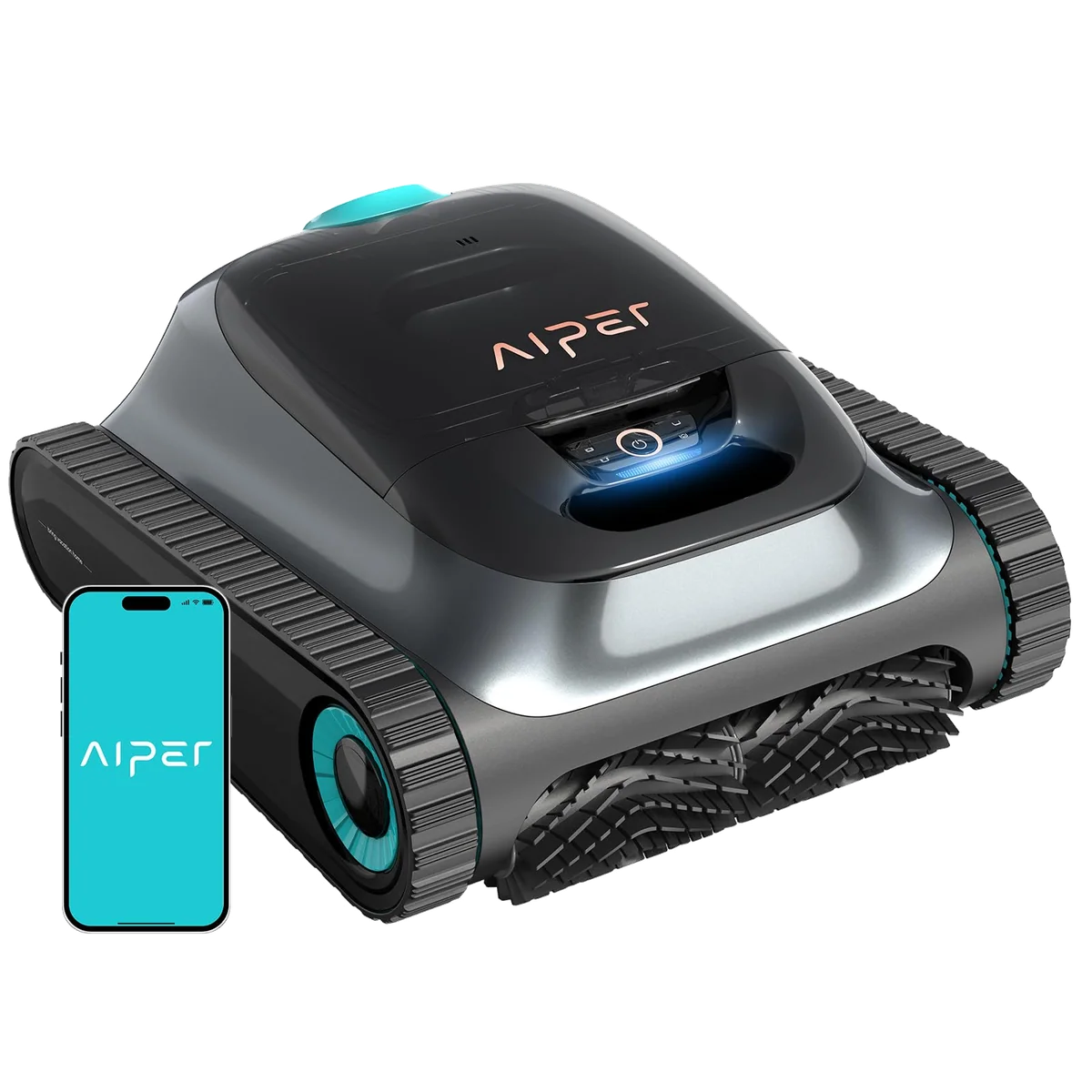
This S1 can deliver long cordless floor cleaning, wall and waterline access, dual filtration, app setup, and firmware updates in a compatible pool.
Its exact-owner record includes missed regions, step entrapment, a ten-month power failure, faulty units, filter wear, and confusing praise that followed exchanges to other Aiper models.
This is not an obsolete floor-only S1. The exact listing describes four-zone cleaning, eleven sensors, a 3-micron inner filter paired with a 180-micron basket, five cleaning modes, app control, and OTA upgrades. Its headline runtime is up to 180 minutes rather than the newer listing’s separate 270-minute Eco claim.
When the pool suits it, the machine can collect fine material, leaves, and settled debris across a broad floor, then climb appropriate walls. When the geometry does not suit it, owners report wheelies, large untouched sections, repeated paths, trouble at steps, and more manual intervention than the cordless promise suggests. One power switch failed after roughly ten months and was replaced quickly under warranty, which supports both halves of the verdict: meaningful service and real downtime.
Choose this ASIN only when its exact terms or bundle make more sense than the 2026 version and the seller gives enough time to test the pool. Do not transfer manuals, filters, runtime claims, or app behavior from another S1 generation without checking the listing number.
Strengths
- Systematic routing can deliver excellent coverage across an unobstructed pool floor.
- The removable 3-micron layer catches much finer debris than the standard basket alone.
- Cordless operation removes the hose, floating cable, and deck-side power equipment.
- Healthy updated units can run long enough to finish a typical residential-pool cycle.
- Physical controls preserve basic operation even when the underwater connection disappears.
- The listed two-year warranty is backed by several examples of fast replacement service.
Limitations
- Steps, benches, sharp slopes, curved transitions, and circular areas can defeat its route or traction.
- The secondary filter adds rinsing time and may load before the outer basket is full.
- Owners must retrieve, drain, clean, dry, and recharge the robot between substantial cycles.
- Detailed reports show a concerning mix of charging, motor, control, and water-ingress failures.
- The app should not be mistaken for reliable live control while the robot is submerged.
- Waterline contact is not strong enough to guarantee removal of scale or attached buildup.
5. Aiper Seagull SE — The Seagull SE 2025 is a basic cordless sweeper for a flat above-ground pool floor.
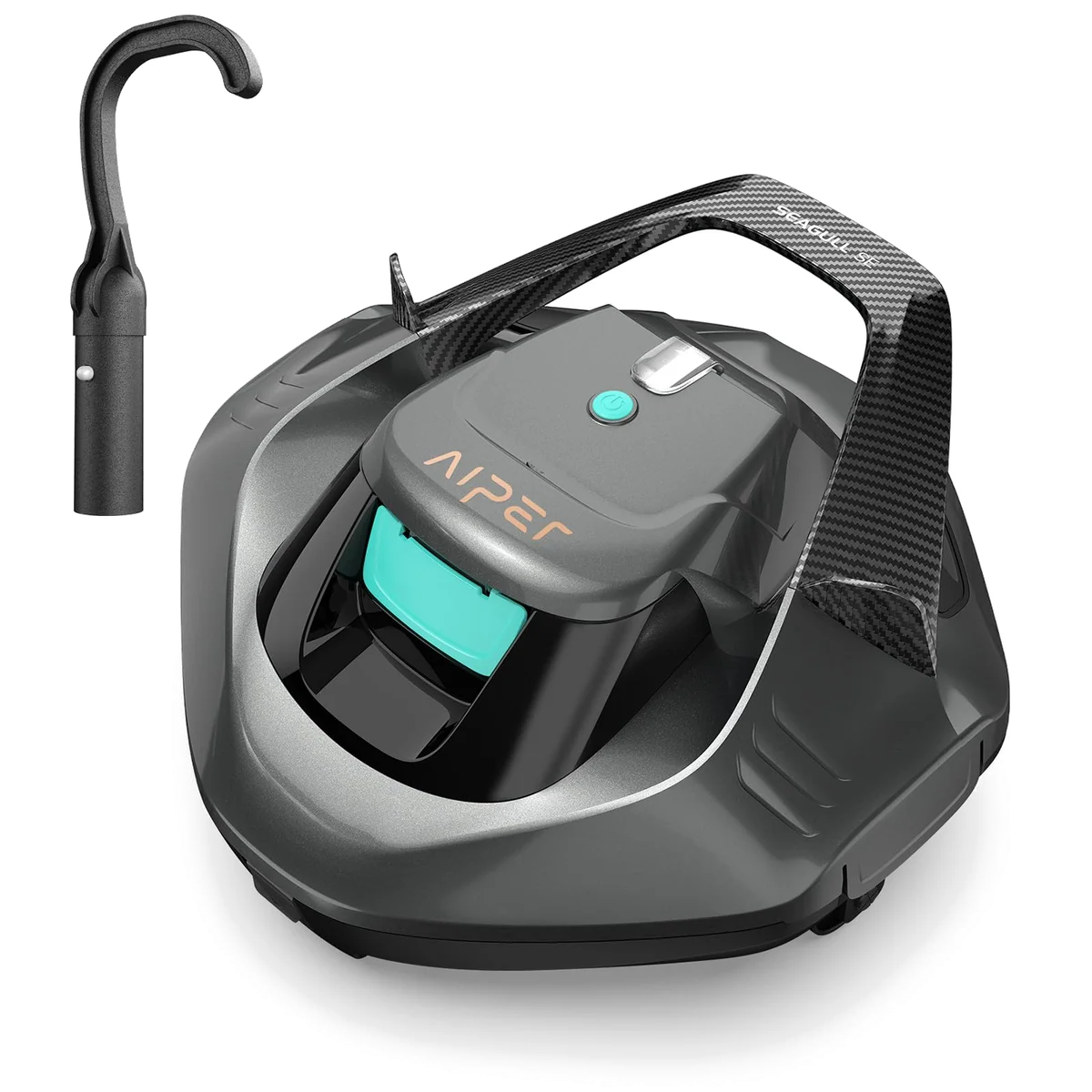
It can reduce manual pickup of loose leaves, bugs, pine needles, and coarse grit when its random path crosses them.
Fine debris can pass through or resettle, the route misses areas, slopes and wrinkles cause trouble, and early charging or battery failures are too prominent to ignore.
This is the point where Aiper’s low-cost convenience becomes much less automatic than the word “robotic” suggests. The Seagull has no mapping, debris recognition, app, remote steering, wall climbing, or active waterline work. It propels itself, reverses periodically, and relies on repeated random crossings to reach the dirt.
Exact owners report useful collection of loose leaves and larger debris on flat floors, but fine sand, silt, and dead algae can pass through the filter or be stirred into the water. The same retained reviews include runs closer to 45 minutes than the claimed 90, cleaners that stuck at walls, batteries that stopped holding charge, and favorable ratings raised after Aiper supplied a different Scuba E1 replacement.
Aiper lists 1,200 GPH of suction, up to 90 minutes of runtime, a 2.5-hour full charge, low-battery stopping near a wall, and a one-year warranty. Pool compatibility up to 40 feet is not a promise that one random cycle will cover every square foot.
Buy only for a genuinely flat, maintained above-ground pool whose normal debris is visible and coarse. The full case is set out in our Aiper Seagull SE 2025 review, while the broader above-ground pool cleaner guide includes less restrictive options.
Strengths
- Cordless operation removes the hose or power cable from the pool.
- Its light body is easy to carry, deploy and retrieve.
- It can collect useful amounts of loose leaves, bugs and coarse floor debris.
- A healthy unit can approach the advertised 90-minute runtime.
- The simple drop-in routine suits passive maintenance while the owner handles other jobs.
Limitations
- The flat mesh is unreliable for fine silt, dead algae and very fine sand.
- Random movement misses areas and provides no mapping or manual direction.
- It cannot clean walls, stairs, ledges or the waterline.
- Slopes, liner wrinkles, drains and ladders can slow or trap it.
- Exact owners report short runtimes, charging failures and complete power loss within months.
- The one-year warranty and weak evidence of readily available replacement parts limit long-term confidence.
6. Aiper Scuba 2025 — The compact Scuba 2025 is another narrow floor helper rather than a whole-pool robot.
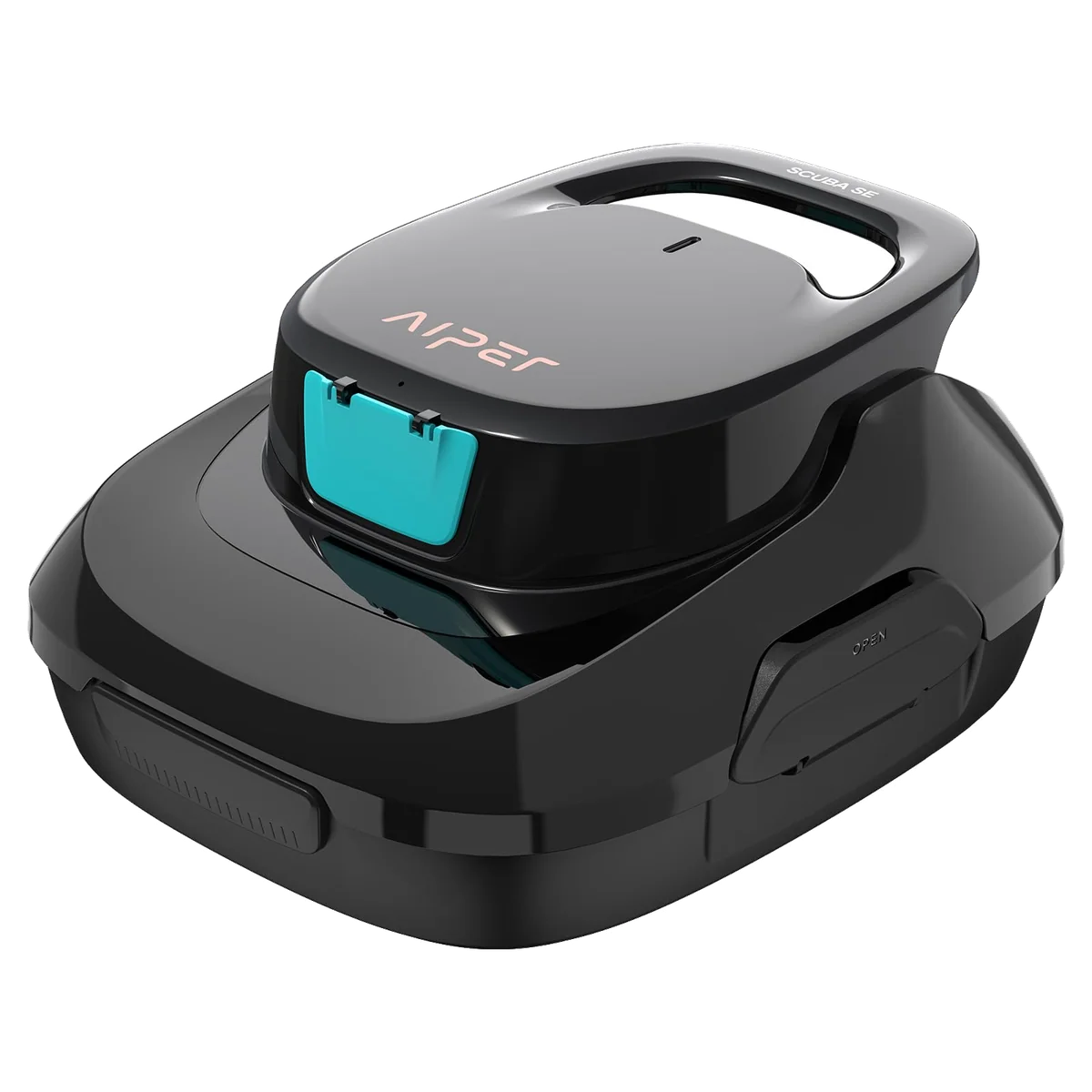
It can save setup time in a small above-ground pool with a smooth floor and a light burden of leaves, bugs, grass, or ordinary loose dirt.
Random coverage, unreliable fine-particle retention, liner sensitivity, repeated charging, and exact reports of early battery failure make it a poor default.
This Scuba should not be confused with the tracked S1. It does not bring the winner’s wall climbing, waterline cleaning, deliberate routing, or dual fine-filtration proposition. Its honest use is routine floor maintenance when dragging out a hose feels disproportionate to the modest amount of debris.
Owners confirm that it can collect leaves and ordinary pieces, yet the exact record also includes small debris left behind, material discharged back into the pool, a unit that died in the middle of a 22-foot round pool, stranding on an uneven liner, and a replacement that would not turn on.
Aiper lists a 1,450 GPH flow rating, up to 95 minutes of operation, compatibility up to 860 square feet, auto-parking near the poolside, and a quick-drain claim. Those figures describe the intended envelope, not proven complete coverage or filtration quality.
Consider it only when the floor is flat, smooth, open, and already under control. If sand, silt, pollen, or dead algae is the recurring problem, start with our fine-debris cleaner guide instead.
Strengths
- The cordless routine removes suction-hose and operating-cable setup.
- It can collect leaves and ordinary loose bottom debris on a suitable smooth floor.
- Exact-product owners describe the cleaner and its filter as easy to remove and rinse.
- Aiper sent no-cost replacements in two retained owner cases.
Limitations
- It is a floor cleaner with no supported wall, stair or waterline mode.
- Random movement can miss sections or leave the cleaner discharged in the middle.
- Wrinkles and uneven liner areas can strand its small chassis.
- Fine material may remain on the floor or be stirred back into the water.
- Exact-product reviews include early battery failure and a replacement that would not turn on.
7. Aiper Scuba S3 — The green Scuba looks like a promising S3, but the listing does not identify it clearly enough.
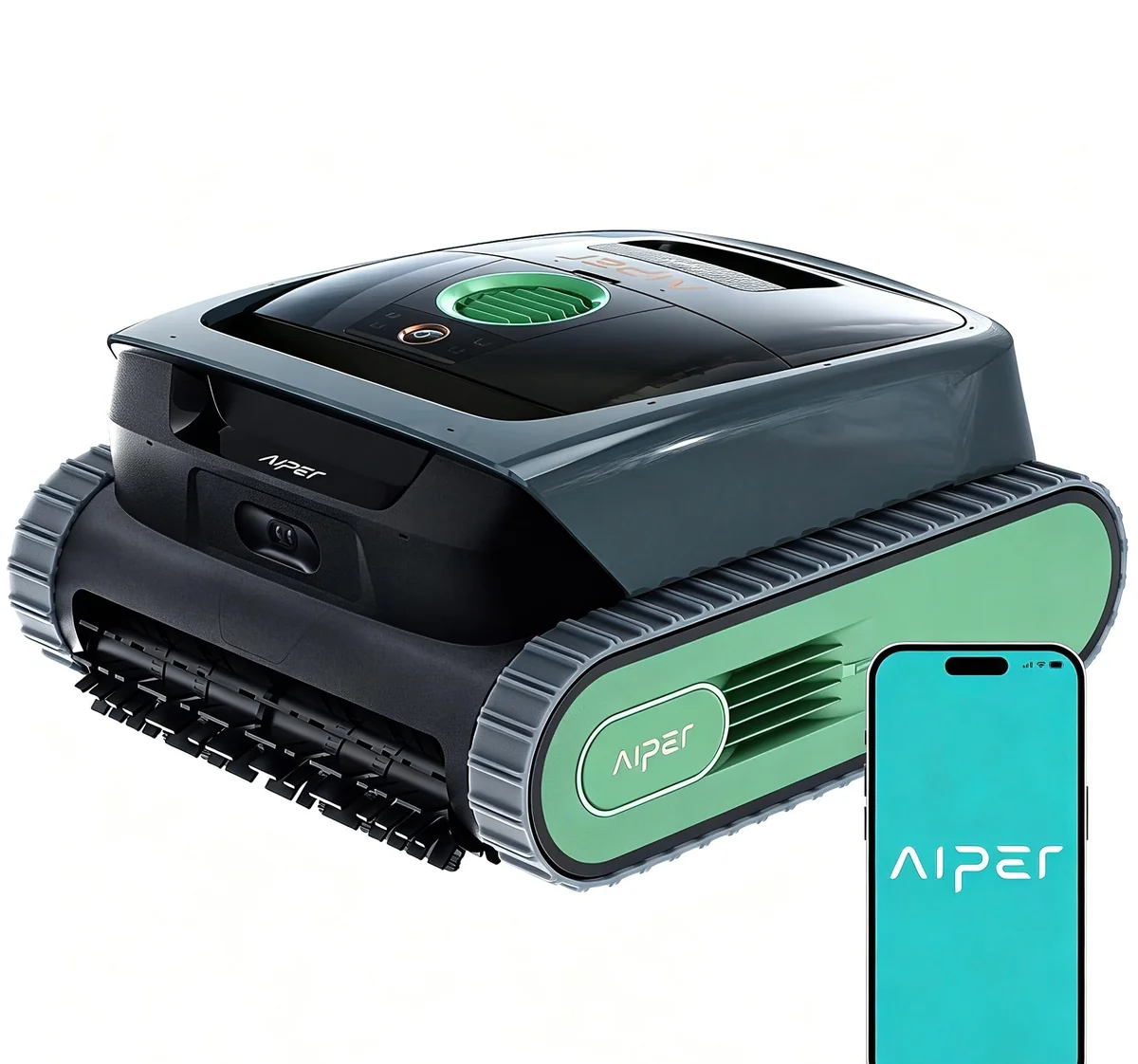
Exact owners describe persuasive floor pickup, an effective fine insert, wall and waterline modes, long cycles, and basic controls that work without the app.
Model ambiguity joins missed corners, curved-wall repetition, drain entrapment, underwater disconnection, an early cord failure, and rapidly declining battery performance.
The cleaning reports are stronger than the product page. Owners identify the machine as a Scuba S3 and describe baskets full of leaves, dirt, algae residue, and very fine material. Open-floor cleaning is the strongest assignment, while ordinary walls and the waterline can receive useful attention in pools without demanding transitions.
Curved deep-end bowls, corners, steps, ledges, and main drains are less dependable. One owner watched the cleaner repeat the same wall region, another had to nudge it off a drain, and another returned a unit after battery performance declined rapidly over the first few uses. Wi-Fi also disappears after submersion, so modes must be chosen before the machine enters the water.
The decisive problem is identity. Amazon’s captured page calls it only “Aiper Scuba Robotic Pool Cleaner, Green,” provides one generic bullet, and does not establish the S3 model number or the feature set described by owners. Confirm the model, filtration, supported zones, accessories, warranty, and return terms before ordering, or use the site’s Scuba V3 and S3 comparison to decide whether the simpler S3 concept fits at all.
Strengths
- Fine debris and ordinary leaves are the strongest parts of the exact-owner record.
- Floor cleaning can replace much of the hose and pole-vacuum routine.
- Basic cleaning modes can be selected on the machine without opening the app.
- Wall and waterline modes add useful coverage in pools with straightforward geometry.
Limitations
- The generic Amazon title does not confirm that B0GGQZSV9K is the S3.
- Curved bowls, corners, steps, ledges, and main drains can defeat or redirect it.
- Wi-Fi drops underwater, so mid-cycle app changes are unavailable.
- The exact-owner sample includes an early cord failure and rapid battery deterioration.
- Long-term durability remains unproven for this exact listing.
8. (Renewed) Aiper Cordless Robotic Pool — The renewed Aiper floor cleaner is acceptable only for a flat above-ground pool and a protected purchase.
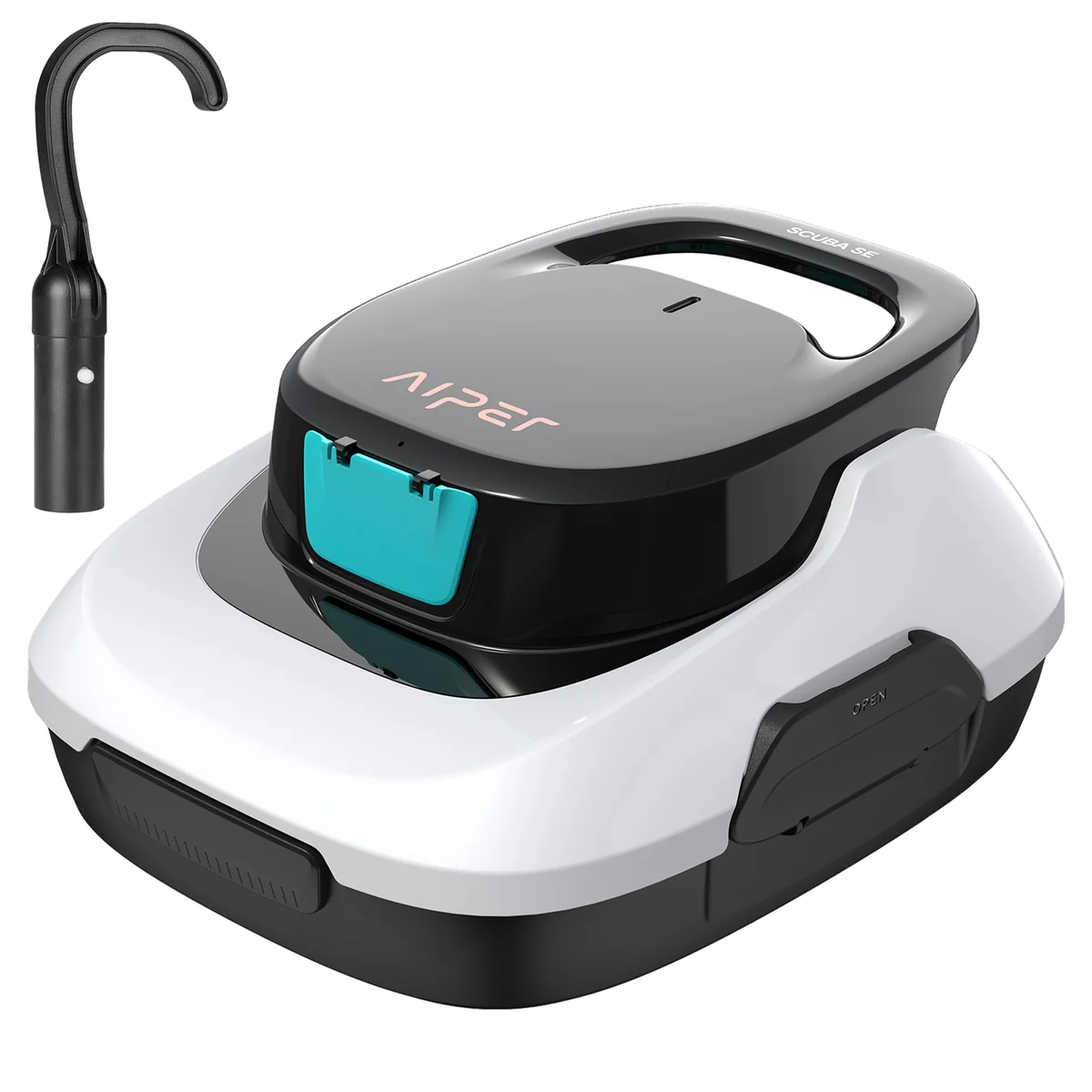
Its light cordless routine can collect ordinary bottom debris and reduce manual vacuuming when the floor is smooth and open.
Small creases can strand it, fine algae may be scattered rather than retained, runtime feels limited to some owners, and the renewed battery history is unknown.
This is a refurbished version of Aiper’s simplest floor-cleaning idea. Owners with flat 18-, 24-, and similarly uncomplicated round pools report useful debris pickup and a routine of dropping it in, returning later, and extending the interval between manual cleanings. The strongest accounts concern ordinary visible debris rather than restoration work.
The operating envelope is unforgiving. One owner reports that a crease larger than roughly one-eighth of an inch stopped the cleaner, another had to monitor repeated sticking, and another saw dead algae spread around the pool. A repeat buyer said the first example worked well for a year and then appeared charged but would not power on the following season.
The listing claims up to 90 minutes of runtime, use in above-ground pools up to 860 square feet, low-battery stopping near poolside, and rapid drainage. It does not turn the renewed battery into a documented fresh component.
9. Aiper Scuba N1 renewed — The renewed Scuba N1 is the Aiper offer most buyers should leave alone.
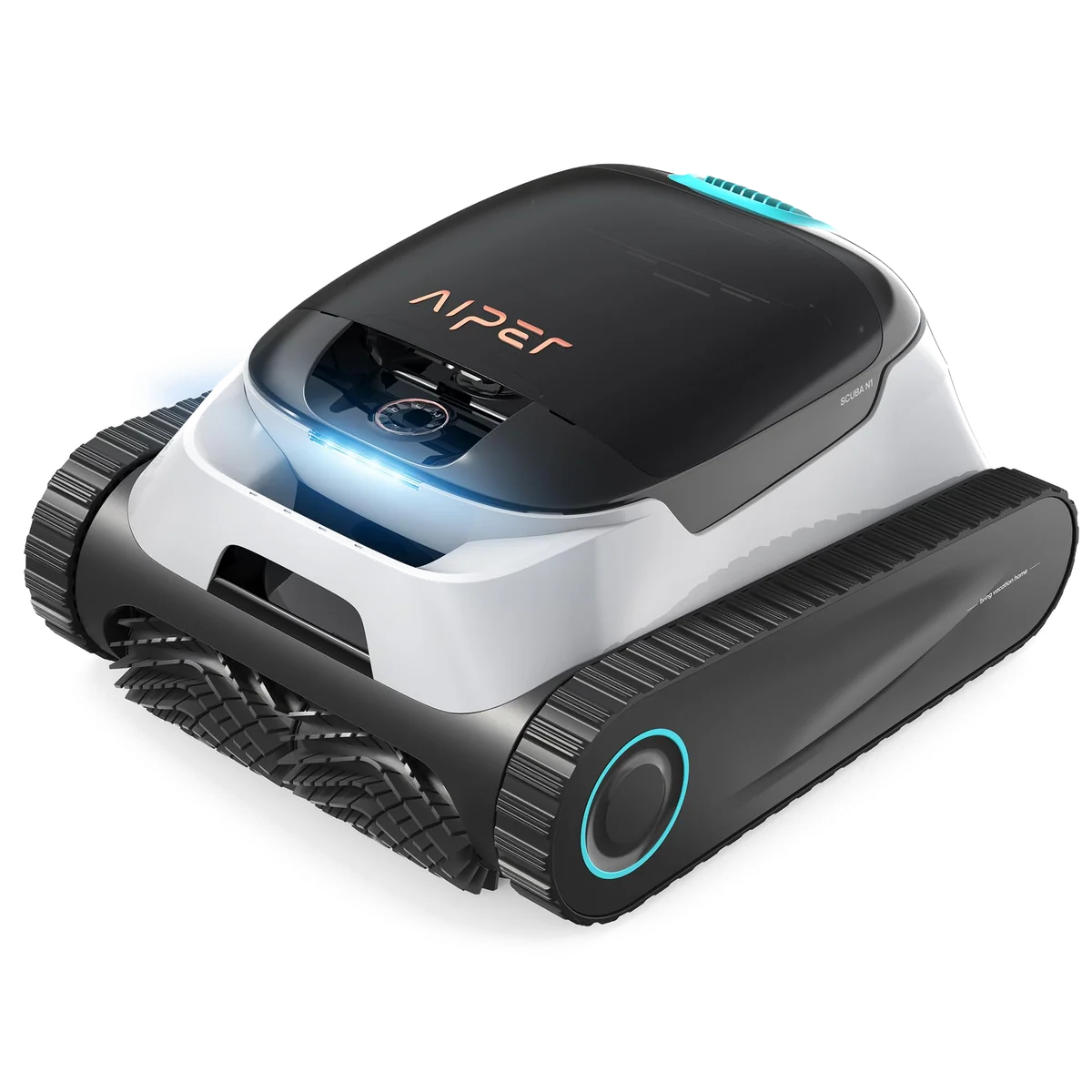
The underlying N1 can clean ordinary floors, climb compatible walls, reach the waterline, and distribute stored power across several selectable programs.
The listing does not adequately document the refurbisher, battery condition, renewal work, accessories, condition-specific runtime, or warranty protection.
A new N1 has a defensible use case: cable-free routine cleaning in a conventional pool, with focused floor operation often proving more useful than asking one cycle to divide its time across every zone. The renewed offer adds uncertainty precisely where a cordless cleaner is most vulnerable. A degraded battery shrinks coverage, increases retrieval and charging cycles, and can erase the value of the discount.
The listing promises up to 150 minutes, coverage up to 1,600 square feet, four cleaning modes, WavePath navigation, wall and waterline cleaning, and a 4,500 GPH flow claim. It also calls the product an N1 in the title but refers to a Scuba S1 in multiple bullets, which weakens confidence that the seller has documented the exact renewed machine carefully.
Consider it only if the seller states in writing who renewed it, whether the battery was replaced or capacity-tested, which accessories are included, what minimum runtime is guaranteed, what the warranty covers, and who pays return shipping for a weak or dead unit. Without those answers, our renewed Scuba N1 review recommends walking away.
Strengths
- Cordless operation removes the floating cable or hose from the pool.
- Floor-only mode has produced excellent routine coverage for some exact-model owners.
- The top-loading basket is easier to service than many bottom-access filter systems.
- The tracked body can climb ordinary walls and reach the waterline in compatible pools.
- Successful runs have collected leaves, pollen, hair, dirt, and fine sand.
Limitations
- The renewed listing does not document battery condition, refurbisher identity, included accessories, or warranty coverage.
- Navigation can repeat lanes, miss patches, and struggle with curved transitions or shallow shelves.
- Fine debris may clog the filter, bypass it, or leak back into the pool during retrieval.
- Wall climbing does not eliminate manual algae brushing on every finish.
- Every cycle ends with lifting, draining, rinsing, charging, and redeployment.
- Replacement filters, batteries, seals, and other parts may be difficult to obtain.
Our #1 Pick: (2026 Upgrade) Aiper Scuba S1
Check Price on AmazonWe ranked the job, not the longest feature list
Smart Pool Bots separated each exact ASIN before comparing performance. That matters because Aiper reuses family names across products with different runtimes, filters, controls, cleaning zones, and even basic forms of movement. The black 2026 Scuba S1 and the older Obsidian S1 are related but distinct listings, while the generic green “Aiper Scuba” is identified as an S3 mainly through owner reports rather than its sparse product page.
Floor coverage received the greatest weight because it is the one job every underwater model here is supposed to perform. Wall and waterline ability mattered next, followed by filtration, navigation, retrieval, charging, and the likelihood that the robot can complete useful work without intervention. A runtime claim earned no credit when the machine spent those minutes stuck, repeating one region, or moving fine debris back into the water.
We also treated surface cleaning as a separate job. The EcoSurfer S2 can intercept pollen, insects, petals, and leaves before they sink, but it cannot vacuum the floor or scrub walls. It ranks highly because it is capable within that distinct role, not because a skimmer can replace the roundup winner. Readers deciding between those categories should start with our guide to robotic skimmers and underwater vacuums.
The shortlist at a glance
| Ranked choice | Best assignment | Reason to hesitate |
|---|---|---|
| 2026 Scuba S1 | Whole-pool cordless cleaning in a relatively simple pool | Geometry-sensitive coverage and unresolved durability risk |
| EcoSurfer S2 | Continuous interception of floating pollen, bugs, and moderate leaves | It is slow, surface-only, and carries motor and basket-drive concerns |
| Scuba V3 | Rapid camera-guided pursuit of visible leaf piles | Fine sediment, steps, and underwater app control remain weak points |
| Older updated Scuba S1 | Long cordless floor cleaning with dual filtration | The newer listing gives a clearer maintenance plan and stronger overall proposition |
| Seagull SE 2025 | Loose coarse debris on a genuinely flat above-ground pool floor | Random movement, weak fine filtration, and battery complaints sharply narrow its value |
| Scuba 2025 | Light routine debris on a small, smooth above-ground pool floor | It can miss fine material, strand on wrinkles, and require repeated runs |
| Green Scuba, likely S3 | Conventional floor, wall, and waterline cleaning without camera-guided AI | The exact listing does not clearly establish the model identity |
| Renewed floor cleaner | Low-stakes maintenance in a flat above-ground pool | A crease can strand it, and the renewed battery has an unknown history |
| Renewed Scuba N1 | Only a protected purchase with documented battery and return terms | The renewal process, battery condition, accessories, and warranty are not adequately documented |
No anecdotal record can establish a precise failure rate for these machines. Repeated battery, charging, motor, and water-ingress accounts still affect the ranking because the practical downside is not merely a missed leaf; it can be the loss of the cleaner during a warranty exchange. Strong customer service deserves credit when it resolves a problem, but praise for a replacement model does not prove that the original model was dependable.
Match the Aiper to the mess before comparing features
Floating debris needs a skimmer, not a Scuba
Pollen, insects, petals, and leaves that remain on the water belong to the EcoSurfer S2’s job. An underwater Scuba cannot collect them until they sink, by which point they have become extra work for the floor robot, circulation system, or manual vacuum. A surface skimmer can therefore be useful alongside the winner, but buying one instead of a vacuum leaves the floor, walls, and waterline untouched.
Visible leaf piles give the V3’s camera a purpose
Camera-guided debris recognition matters when the dirt is concentrated and obvious. If the pool is mostly clean except for a pile in one corner, the V3 can shorten the wait before swimming. If dust covers the floor evenly, the camera contributes less than good routing, filtration, and brush contact, which favors the simpler S1 proposition.
Fine filtration needs capacity and maintenance
A 3-micron insert can catch material that a coarse basket would return to the water, but the number alone does not prove perfect retention. Fine media loads quickly, can restrict flow, takes longer to rinse, and may be overwhelmed during a leaf-heavy or algae-recovery pass. Use the coarse basket first for a substantial leaf load, then install the fine layer for settled dust and residue.
Steps and ledges remain the trap in almost every specification sheet
“Floor, walls, waterline, and shallow areas” describes zones the robot attempts, not complete access to every surface between the deep end and deck. A narrow stair tread may be too short for the body, a broad shelf may support the shell while leaving its tracks without traction, and a curved transition can cause repeated climbs through the same region. Brush difficult steps toward the main floor unless your own return-window test proves reliable coverage.
An app cannot negotiate ordinary radio physics
Aiper’s apps can be useful for pairing, selecting modes, setting schedules, reviewing logs, and installing firmware before a cycle. Ordinary Wi-Fi and Bluetooth do not provide dependable live control after the robot is submerged, so an app icon should not be read as underwater steering. Our guide to pool-cleaner apps beneath the water explains why the connection disappears.
“Cordless” moves the work rather than deleting it
The cable leaves the water, but the owner still retrieves a wet machine, waits for it to drain, rinses one or two filter layers, dries the charging area, restores the battery, and redeploys the robot. That routine can be much easier than managing a hose or deck-side power supply, especially around fencing or awkward outlets. It can also become tiresome in a dirty pool that needs consecutive runs.
Test the pool before the return window closes
- Run Floor mode and inspect the starting area, corners, drains, and deep-end transition.
- Run Wall or Auto mode and watch whether both tracks maintain contact at the cove and waterline.
- Place ordinary debris near the widest step, ledge, and region the robot previously missed.
- Compare movement near the beginning and end of a charge for signs of rapid battery decline.
- Confirm that filters seat correctly, debris stays inside during retrieval, and the charging connection remains dry.
- Keep the receipt, serial number, packaging, photographs, app logs, and support correspondence.
If those checks reveal a poor match, do not wait for firmware or familiarity to change the physical pool. The useful alternative may be another cordless brand, a corded cleaner, or a machine selected specifically for walls and the waterline. The best cleaner is the one that reaches the surfaces creating manual work, not the one with the most impressive mode names.
Frequently Asked Questions
Which Aiper pool cleaner is best overall?
The 2026 Scuba S1 is the best-balanced Aiper for a relatively simple pool because it combines systematic floor cleaning, wall and waterline capability, dual filtration, and long cordless cycles.
Is the 2026 Scuba S1 a suction-side pool cleaner?
No, it is a self-contained cordless robot with its own motors, battery, brushes, and debris basket rather than a hose-powered cleaner that depends on the pool pump.
Does the Scuba S1 really run for 270 minutes?
Aiper assigns the 270-minute maximum to Eco maintenance and lists up to 180 minutes for Auto, Floor, Wall, and Scheduled modes.
Which Aiper should I choose for floating leaves and pollen?
Choose the EcoSurfer S2 for floating debris because the underwater Scuba models do not skim the surface.
Is the Scuba V3 better than the Scuba S1?
The V3 is better at camera-guided pursuit of visible debris, while the S1 is the better overall value when conventional systematic cleaning is enough.
Can Aiper cleaners control themselves through the app while underwater?
No dependable live underwater app connection is established for these models, so modes and schedules should be configured before submersion.
Do Aiper robots clean steps and tanning ledges?
They may reach parts of broad shallow features, but stair and ledge coverage is too geometry-dependent to replace manual brushing.
Are the cheap Aiper floor cleaners good for dead algae and silt?
No, the Seagull SE, compact Scuba 2025, and renewed floor cleaner are unreliable for fine material that can pass through the filter or be stirred back into the water.
Can I leave an Aiper cleaner in the pool?
Scheduled modes may call for temporary submersion between short runs, but the robot still needs regular retrieval for filter cleaning, inspection, drying, charging, and storage.
Should I buy a renewed Aiper pool cleaner?
Buy one only when the refurbisher, battery standard, included accessories, minimum runtime, written warranty, return window, and shipping responsibility are clearly documented.
What should I do if an Aiper cleaner stops moving or charging?
Remove it from the water, clear the filter and moving parts, dry and inspect the correct charging connection, verify the supplied charger, and open a warranty case if the fault remains.
Are Aiper replacement batteries and parts easy to obtain?
The supplied records do not establish a consistently mature parts channel, so buyers should confirm model-specific availability before relying on a battery, basket, filter, motor, or charger being replaceable.
Our Top Pick
The (2026 Upgrade) Aiper Scuba S1 earns the top spot. The 2026 Scuba S1 is the best Aiper cleaner for a conventional pool with an open floor.