The Aiper Scuba V3 wins this matchup, but the Dolphin in the cart is a CC Pro
Buy the Aiper Scuba V3 for a leaf-prone pool with a broad main basin, but do not buy the supplied Dolphin until you accept that it is a CC Pro and confirm its filters, warranty and repair terms in writing.
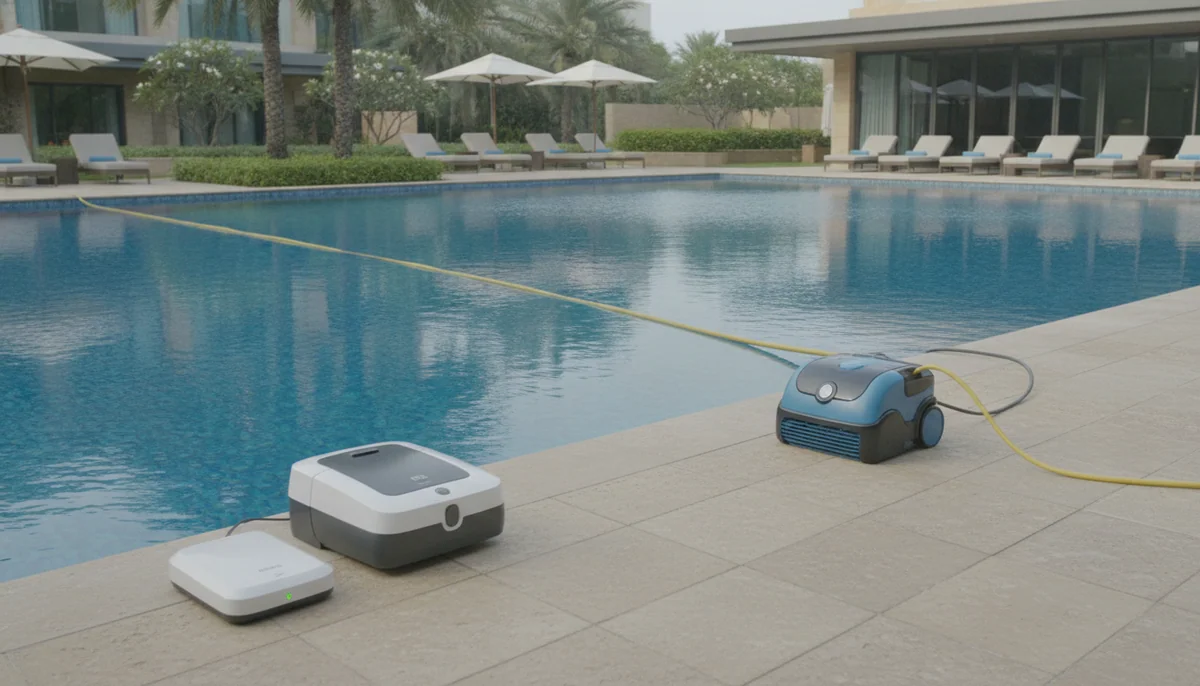
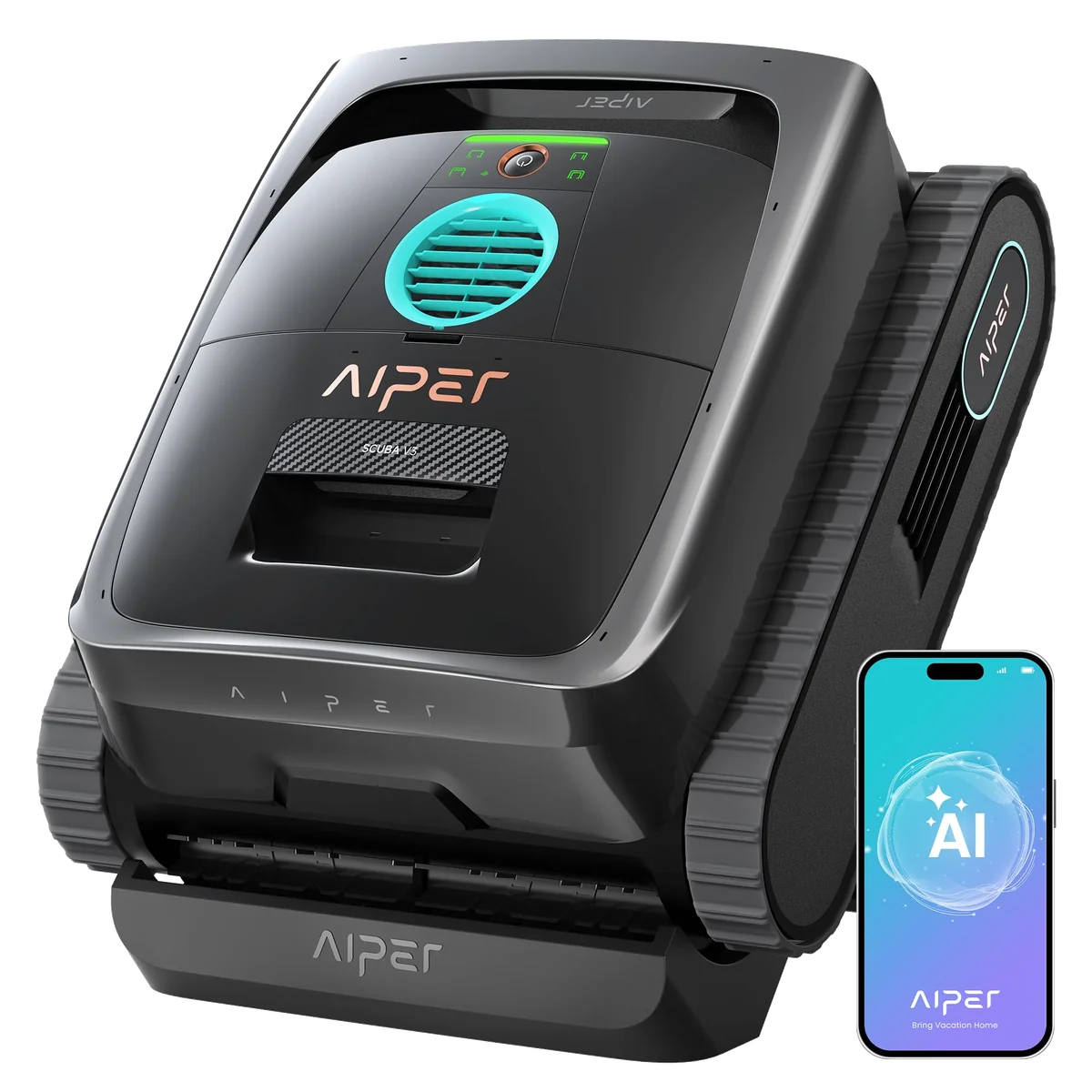
Aiper Scuba V3
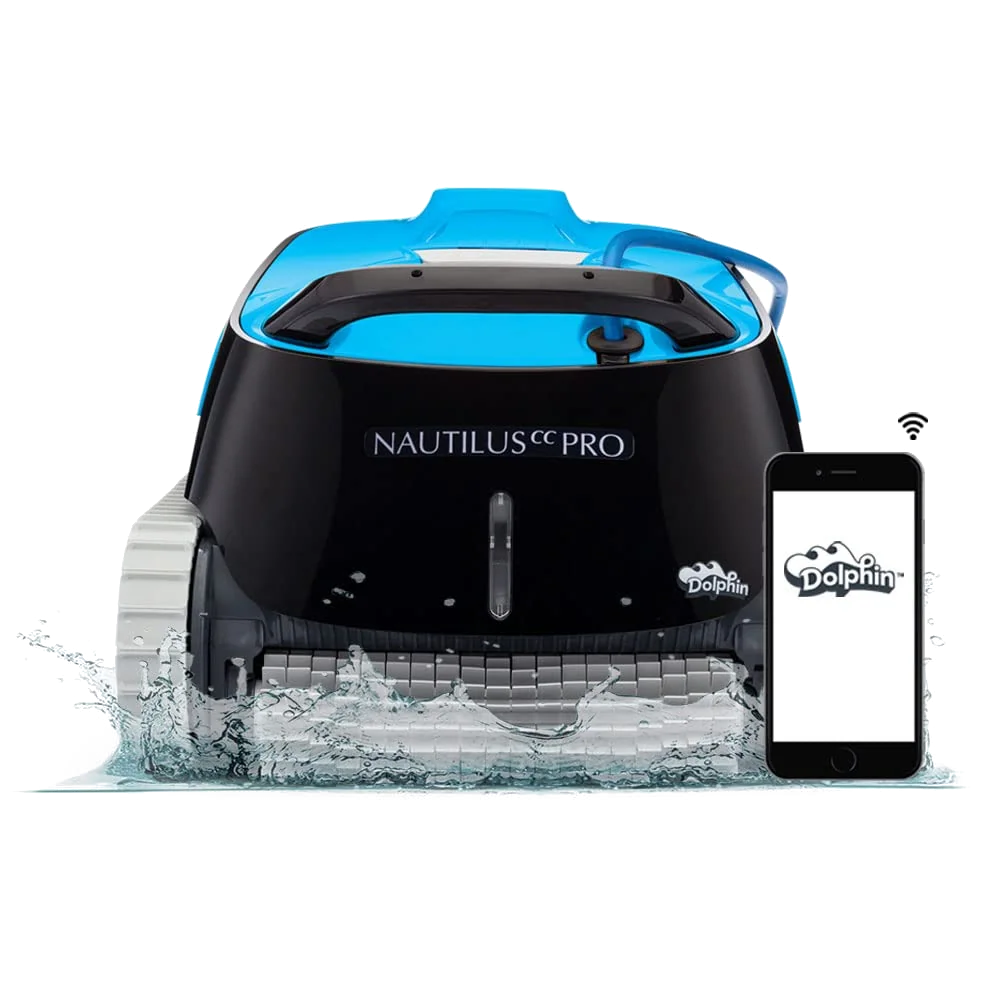
Dolphin Nautilus CC Pro
There is a naming problem before there is a cleaning contest. The Dolphin product attached to this page is ASIN B0BP8G6T4Z, which Amazon identifies as the Nautilus CC Pro Wi-Fi, not the Nautilus CC Plus Wi-Fi named in the page address and in the comparison many shoppers intended to make. Those models should not be treated as interchangeable because the CC Pro has its own basket, waterline behavior, controls and ownership record.
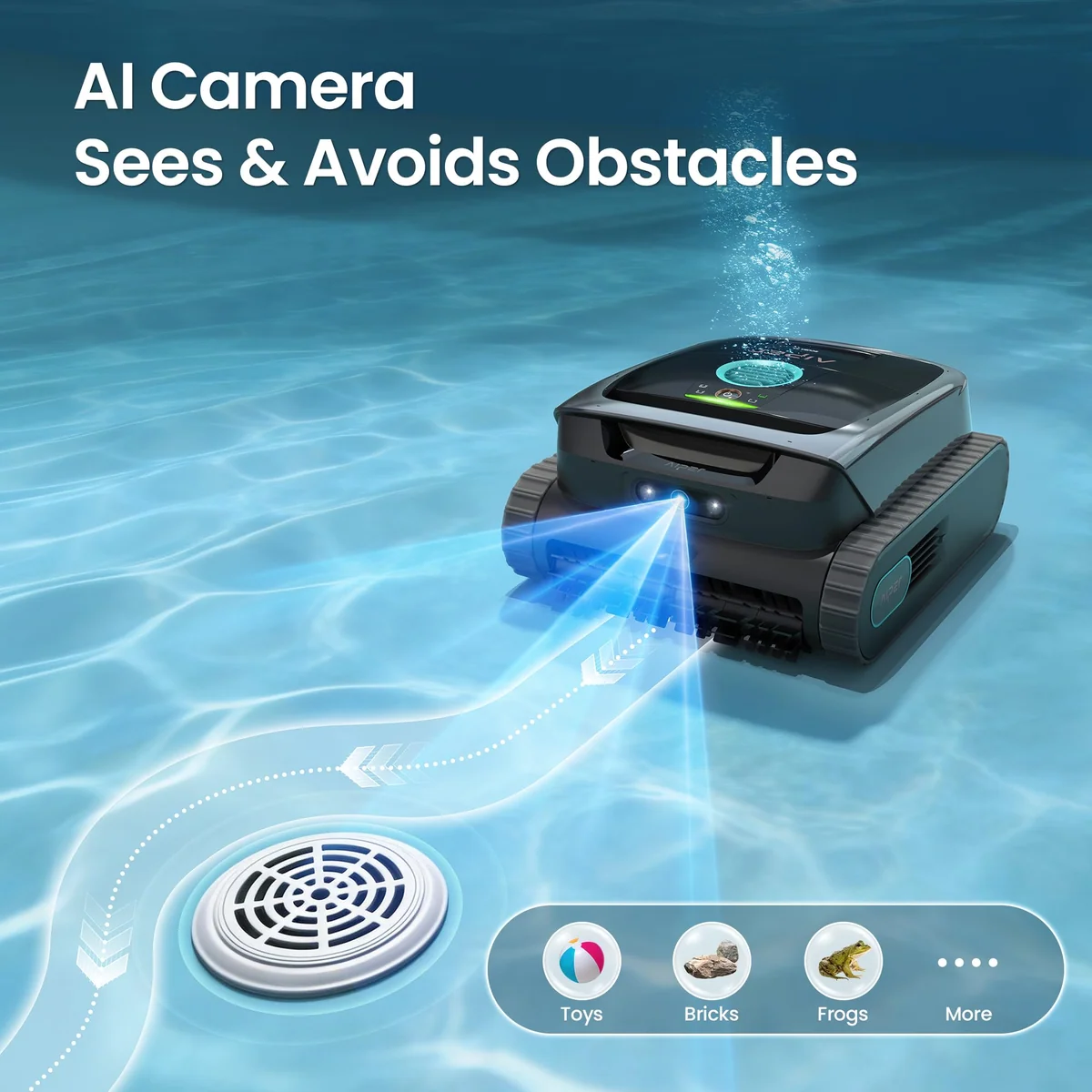
Against that actual product, the Aiper Scuba V3 is the better first choice. Its cordless body removes the deck cable, its camera can turn a scattered leaf cleanup into a short targeted job, and its horizontal waterline travel gives it a second credible skill. A standardized comparison recorded every deliberately placed leaf collected in eight minutes and 99% floor coverage, evidence that the camera does something useful rather than merely decorating the app.
The victory is narrower than Aiper’s futuristic presentation suggests. The same comparison measured 69% wall coverage, only 10% coverage of stairs and a bench, and visible sand or silt recirculation despite the secondary filter. Owners also found that the AI route could waste time scanning or skip areas until firmware, route settings or the AI features themselves were changed.
Pick the Aiper
Choose it when leaves arrive in obvious patches, the thought of managing a floating cable bothers you, and you are willing to lift, rinse, dry and recharge the robot after a run. Its best feature saves time before a swim, but it does not remove the owner from the routine.
Pause on the Dolphin
Consider the CC Pro only when constant corded power, a two-hour cycle and app steering matter more than cordless handling. Get the exact warranty, repair-freight policy and compatible pleated-filter answer from the seller before the cleaner touches water.
Aiper Scuba V3
Dolphin Nautilus CC Pro
At a Glance
| Feature | Aiper Scuba V3 | Dolphin Nautilus CC Pro |
|---|---|---|
| Price Range | $500–$1,000 | $500–$1,000 |
| Claimed runtime | Up to 180 minutes | — |
| Check Price on Amazon | Check Price on Amazon |
Cordless convenience beats conditional automation
These robots reduce different kinds of friction. The Scuba V3 makes deployment clean and quick because there is no cable between the robot and a power supply. The CC Pro avoids battery charging and can be scheduled while connected, but its 60-foot floating cable must be positioned, retrieved, inspected and stored. Neither machine reaches household-vacuum levels of autonomy.
| Decision point | Aiper Scuba V3 | Dolphin Nautilus CC Pro | Edge |
|---|---|---|---|
| Power routine | Cordless, with a claimed runtime of up to 180 minutes and a five-hour charge. | Corded, with a standard two-hour cycle and a floating swivel cable. | Aiper for deployment; Dolphin for repeat cycles without charging. |
| Navigation | A camera can recognize visible debris, followed by a broader coverage route. | CleverClean reacts to the pool but has no supported persistent map or remembered lanes. | Aiper when visible leaf piles are the target. |
| Floor cleaning | Excellent measured floor coverage, although route settings can materially change the result. | Strong ordinary pickup, with exact owners reporting missed patches after one or more cycles. | Aiper by a small margin. |
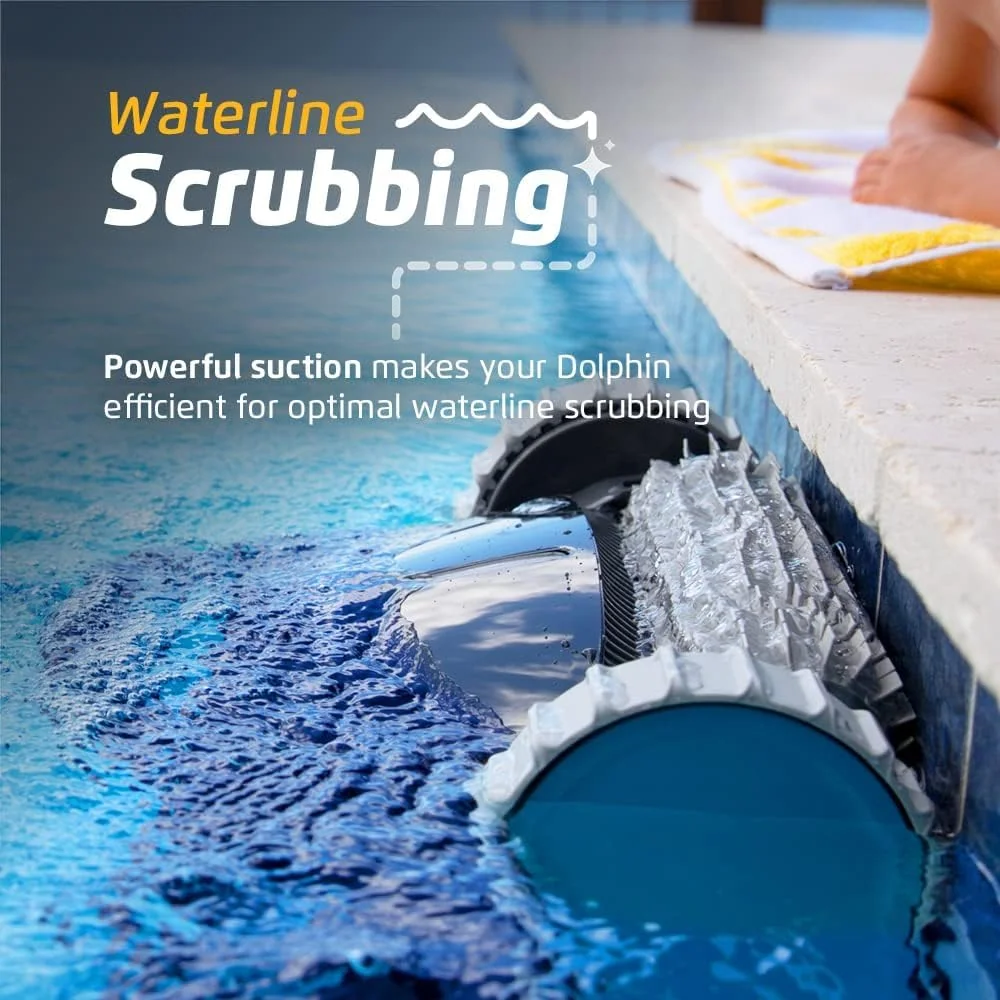
| Waterline | Travels horizontally and scrubs, but may not reach high enough for an old fluctuating mark. | Reaches the tile line and moves laterally, but may leave parts of the perimeter untouched. | Draw. |
| Steps and shelves | Measured stair and bench coverage was poor, and narrow steps may be inaccessible. | May climb lower steps or reach a submerged shelf, but turning on shallow features is unreliable. | Neither. |
| Fine debris | Includes a micromesh insert, yet independent testing found some sand and silt stirred back into the water. | The standard flat mesh panels can release fine material, while compatible pleated panels may require a separate parts search. | Neither is an easy fine-silt recommendation. |
| App control | Useful for setup and scheduling before submersion, but ordinary contact disappears underwater. | Adds scheduling, status and short manual steering movements through the connected power system. | Dolphin for intervention during a run. |
| End of cycle | Waits near the waterline briefly, then requires a wet lift, drying and manual docking. | Must be pulled to the edge by its retrieval cable, drained and stored with the power lead. | Aiper, but only slightly. |
The Aiper camera earns its keep on the right mess
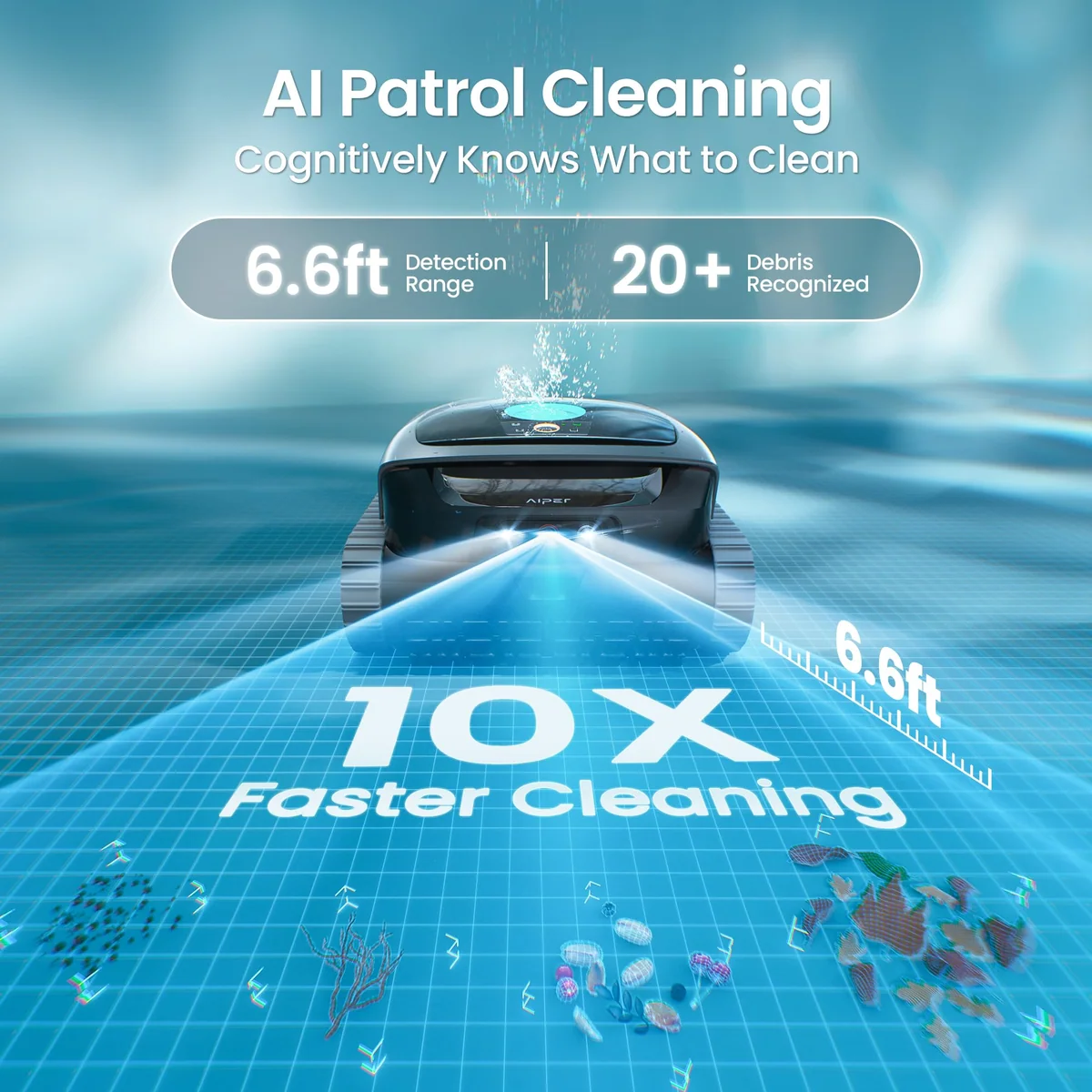
A blind coverage route is sensible when dirt is evenly distributed. A camera becomes valuable when a storm leaves three visible piles and the rest of the pool is already presentable. The V3 can rotate toward recognizable debris and collect it before settling into ordinary coverage, which is a practical reason to pay for vision rather than an abstract claim about intelligence.
Do not confuse debris recognition with a complete map. Exact owners have seen the V3 scan repeatedly, pass obvious material or miss the same floor areas when camera-assisted routing was active. Some improved results by installing firmware, selecting Adaptive mode or disabling the AI functions while retaining a conventional grid. The camera is a useful specialist, not proof that the robot understands every contour of the pool.
The Dolphin cleans well enough to make its buying caveats frustrating
The CC Pro’s active brush, top-loading basket, wall climbing and lateral waterline movement form a convincing core cleaner. Exact owners report strong collection of ordinary leaves, dirt and grit, and the basket opens at the bottom for easier dumping than the Aiper’s layered assembly. The cord also lets it begin another full cycle without waiting for a battery.
Its weaker stock filtration changes the calculation for pools troubled by dead algae, sand or powdery sediment. Owners describe the standard panels stirring fine debris back into the water and report much better retention after fitting pleated panels, but compatible kits have been difficult or costly for some buyers to locate. That filter question belongs in the purchase decision, not on a later accessories list.
One robot loses the phone underwater, while the other keeps the cord
The Scuba V3’s app should be understood as a configuration panel. Select its mode and schedule before lowering it into the pool because ordinary Wi-Fi and Bluetooth communication do not remain available beneath the surface. You cannot depend on the phone to change modes, report live battery status or rescue an inefficient route during a run.
The CC Pro can accept short manual steering commands through MyDolphin Plus, which is genuinely useful when the normal route leaves an isolated patch. That advantage comes through the deck-side power system and cable, so it is not evidence that radio signals suddenly travel well underwater. Buyers choosing between these machines are choosing where to tolerate the connection: at the charging dock after every Aiper run or along the pool deck during every Dolphin run.
The Aiper Scuba V3 is the better cleaner for fast cordless intervention.
Its camera-guided leaf hunting, excellent measured floor coverage and horizontal waterline travel give the cordless design a purpose beyond removing the cable.
Its AI route can become less efficient than a conventional pattern, while fine sediment, steps, wet retrieval and five-hour recharging remain real chores.
Aiper claims up to 180 minutes of runtime, a five-hour charge and floor-to-waterline cleaning, but its strongest recommendation rests on observed debris hunting rather than the full marketing package. The dock still uses contact surfaces that should be dry, waterline parking lasts only briefly, and the robot must be lifted out and placed on the charger by hand.
The Dolphin Nautilus CC Pro is the corded fallback for conventional in-ground pools.
Its active floor scrubbing, genuine waterline movement, accessible top basket and app steering can make routine cleaning easier when the pool has broad uninterrupted surfaces.
The stock filtration, uncertain one-cycle coverage, exact-owner failure reports and seller-dependent warranty details make the purchase harder to trust than the cleaning hardware.
Exact-ASIN reports include early controller, power-supply, impeller and drive-motor problems, along with both quick replacements and slower or costly service experiences. Those cases do not establish a failure rate, but they are sufficient reason to confirm the written warranty, outbound freight responsibility, local repair route and return policy before use.
Waterline claims do not solve shallow geometry
Both machines can climb a compatible wall and travel along the current waterline, which puts them ahead of robots that merely touch the tile before descending. Neither turns that capability into a promise of complete perimeter coverage. The V3 may scrub too low to erase an older mark left by changing water levels, while the CC Pro may descend before finishing a side.
Steps, benches and tanning ledges are an even clearer reason to resist broad “floor to waterline” language. A cleaner can reach both endpoints while ignoring much of the geometry between them. If those shallow features create most of the manual work, compare machines selected specifically for steps, ledges and tanning shelves rather than awarding either contender a win it has not earned.
Aiper Scuba V3
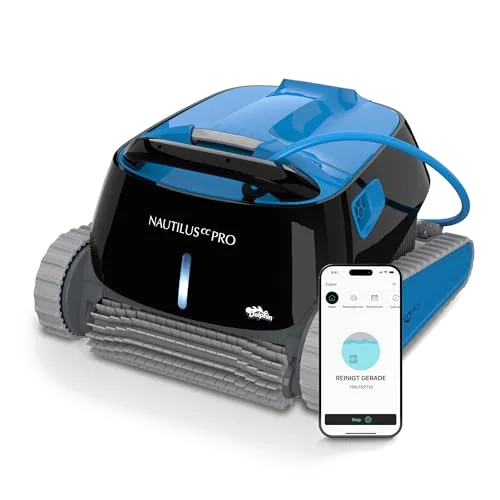
Dolphin Nautilus CC Pro
Match the machine to the debris, not the badge
The Scuba V3 fits a leaf-prone pool
Its ideal assignment is a broad main floor with conventional walls, an accessible edge and visible leaves that gather in a few places. It also suits the owner who prefers carrying one compact robot to managing a cable and who does not mind rinsing, drying and charging after use.
The CC Pro fits a predictable weekly routine
The Dolphin makes more sense beside a simple in-ground pool with nearby protected power, ordinary dirt and leaves, and an owner willing to handle the cable. Its app steering is useful if a missed patch matters more than the freedom to drop a cordless robot anywhere.
Fine sediment weakens both cases
The V3’s fine insert does not prevent every cloud of sand or silt, while the CC Pro may need compatible pleated panels that are not established as standard box contents. Pools dominated by powdery residue should start with our fine-debris recommendations.
Limited lifting changes the answer
Both robots weigh roughly 17 to 18 pounds dry and feel heavier during the first part of retrieval as water drains. The Aiper includes a hook and briefly parks near the waterline, but neither climbs onto the deck or eliminates the need for a careful wet lift.
Buyers who intended to compare against the actual CC Plus Wi-Fi should stop here rather than transfer this CC Pro verdict to another Dolphin. The Nautilus family contains materially different cleaners, and our Nautilus CC and CC Plus comparison shows why a shared family name is not enough to establish identical hardware or behavior.
For everyone else, the choice is straightforward. Buy the Scuba V3 when targeted leaf cleanup and cable-free deployment solve the work you actually dislike. Buy the CC Pro only after its filter and ownership questions receive satisfactory answers, and choose neither when steps or fine sediment account for most of the cleaning burden.
Frequently Asked Questions
Is the Dolphin on this page a Nautilus CC Plus Wi-Fi?
No, the supplied ASIN is listed as the Dolphin Nautilus CC Pro Wi-Fi, so its evidence should not be transferred to the CC Plus.
Which robot is better for leaves?
The Aiper Scuba V3 is the stronger choice for visible leaf piles because its camera can recognize and target them before completing a broader cleaning route.
Which robot cleans the waterline better?
Both perform genuine lateral waterline cleaning, but neither has evidence supporting complete perimeter coverage during every cycle.
Can either robot clean pool steps reliably?
No, both may reach some shallow surfaces but neither can be trusted to turn through and fully cover steps, benches or tanning ledges.
Can the Scuba V3 app control the robot underwater?
No, its ordinary wireless connection disappears after submersion, so the cleaning mode should be configured before the robot enters the pool.
Can the CC Pro be steered from its app?
Yes, MyDolphin Plus supports short manual steering movements that can direct the corded robot toward a missed patch.
Which cleaner is better for sand and fine silt?
Neither is an uncomplicated choice because the V3 can recirculate some fine material and the CC Pro may require separately sourced pleated filters.
Does the Aiper return to its charging dock by itself?
No, it briefly parks near the waterline before the owner lifts, drains, dries and places it on the charging dock.
Does the Dolphin include a caddy?
The documented CC Pro package does not establish an included caddy, so storage and cable handling should be confirmed with the seller.
Ready to Choose?
Sources (2)
- Amazon listings and customer reviews — Aiper Scuba V3 and Dolphin Nautilus Cc Pro
- Owner and reviewer video, 1 channel