The Aiper Scuba 2025 is a bargain only for uncomplicated pool floors
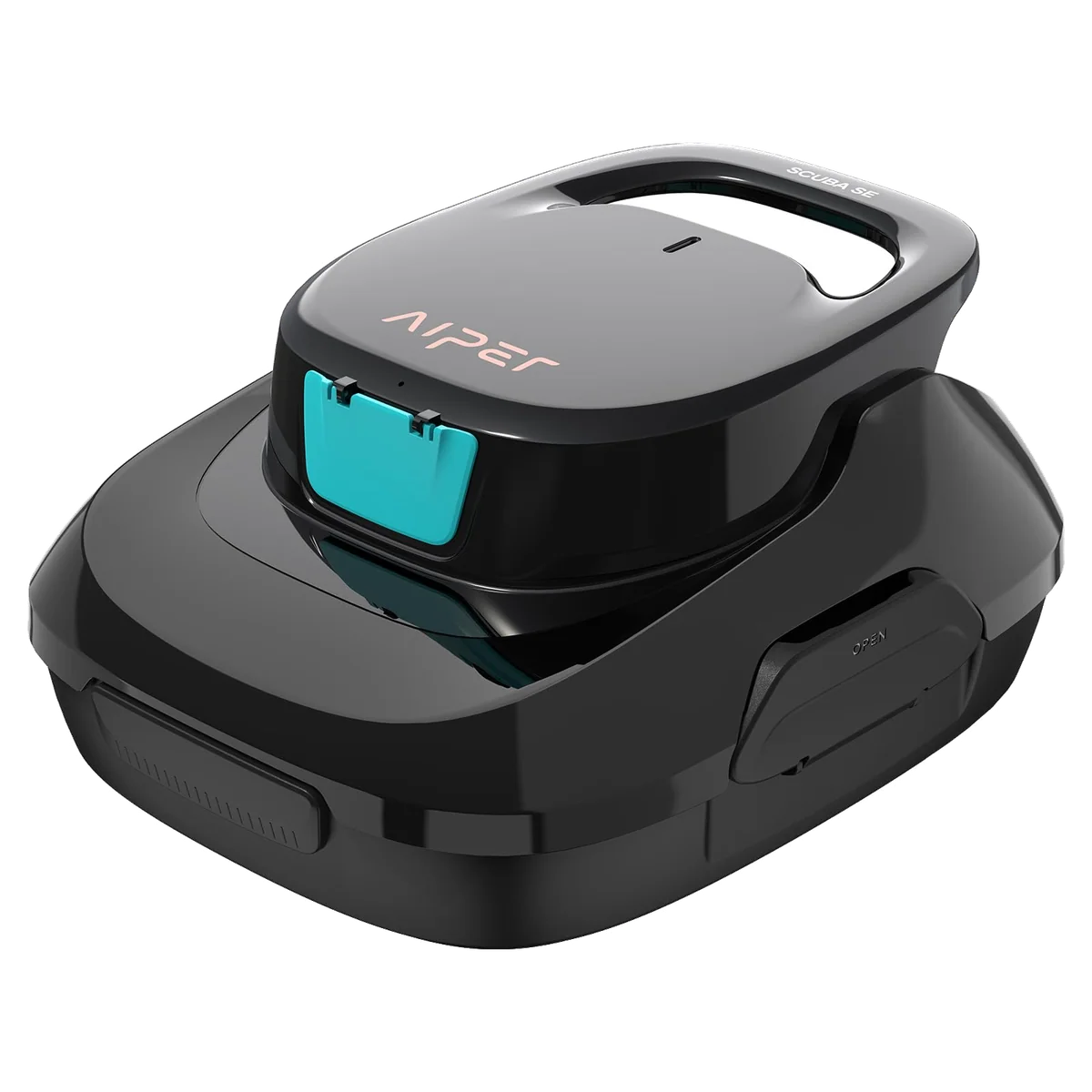
Buy the Aiper Scuba 2025 only as a low-cost maintenance helper for a small, flat, smooth above-ground pool; anyone expecting fine-debris capture, predictable coverage or proven battery durability should walk away.
The final call
The Aiper Scuba 2025 is a conditional buy for a narrow but real job: maintaining the smooth floor of a small, uncomplicated above-ground pool when scattered coarse debris matters more than perfect coverage. Its cordless simplicity is genuine, and successful owners show that it can save work in that setting.
Everyone else should pass. Fine sediment, wrinkled liners, slopes, obstacles, vertical surfaces and one-cycle expectations all expose the limits of this design, while exact reports of early battery failure make a marginal fit too risky to justify. A cheap helper is useful; a cleaner that forces you to repeat the job or exchange the hardware is merely another pool chore.
The word “Scuba” covers several very different Aiper cleaners, and that naming muddies this review before the machine even reaches the water. This is the compact Scuba 2025 listed with a 95-minute ceiling and an 860-square-foot compatibility rating. It is not the Scuba S1, and none of the S1’s wall climbing, tracks, app features or longer runtimes belongs in this product’s case.
The honest pitch is much narrower than the listing’s promise of a perpetually swim-ready pool. This cleaner moves itself across the floor without a hose or operating cable, and exact-product owners confirm that it can collect leaves and ordinary loose debris. Other owners report missed fine material, random travel, liner-related sticking and even debris being discharged back into the pool.
That split is not mysterious. A light maintenance load on a smooth, simple floor is a very different job from settled silt, dead algae, a wrinkled liner or a pool that needs deliberate edge-to-edge recovery cleaning. The Scuba 2025 can be useful when the first description matches your pool, but its convenience should not be mistaken for cleaning authority.
Key Specifications
Cordless convenience still comes with a routine
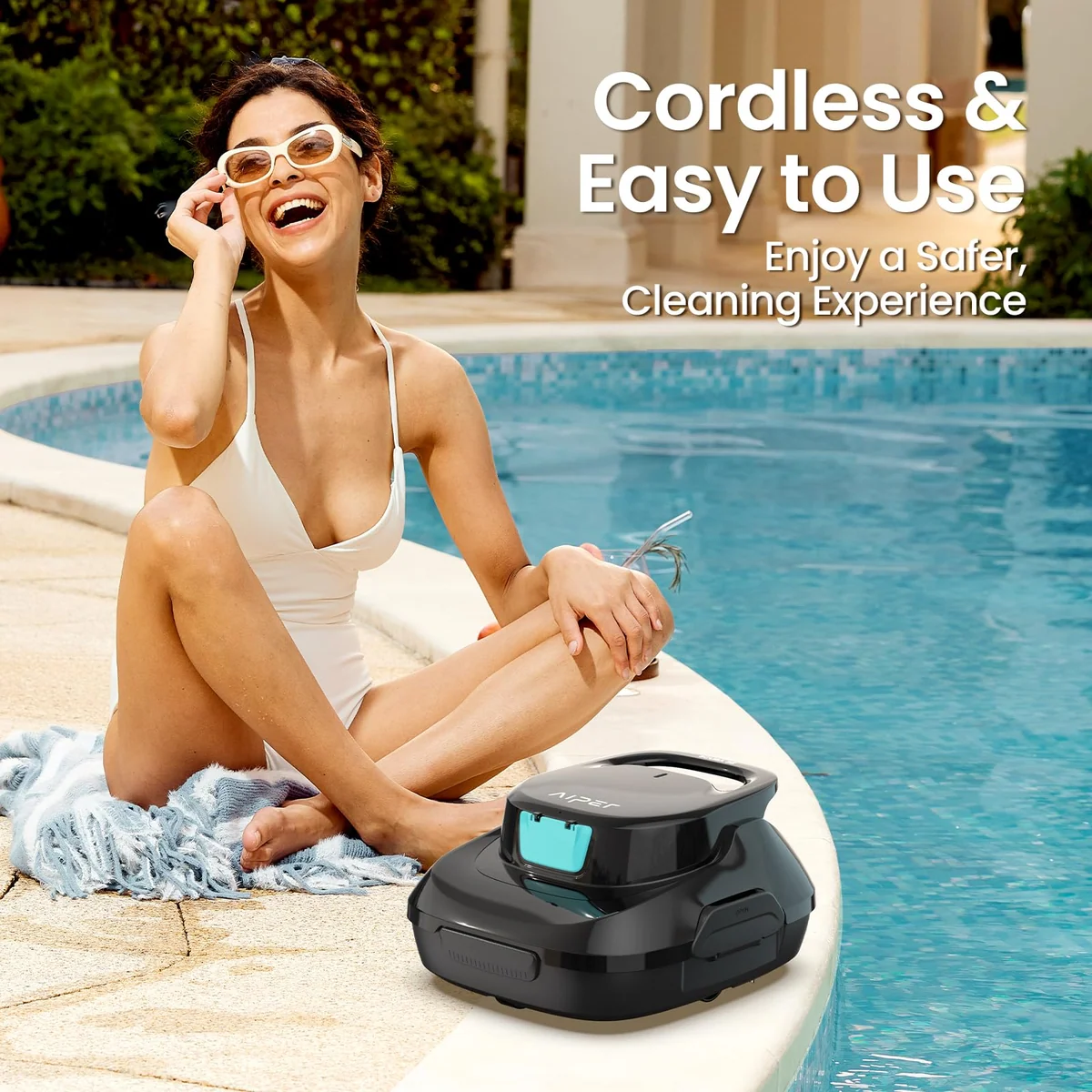
Cordless operation is the Scuba 2025’s most persuasive feature. Owners describe a simple charge-and-drop workflow, and the cleaner does not need a suction hose or an operating cable trailing across the deck. That is meaningful convenience for an above-ground pool with weak circulation or for anyone who dislikes assembling a manual vacuum every time grass reaches the floor.
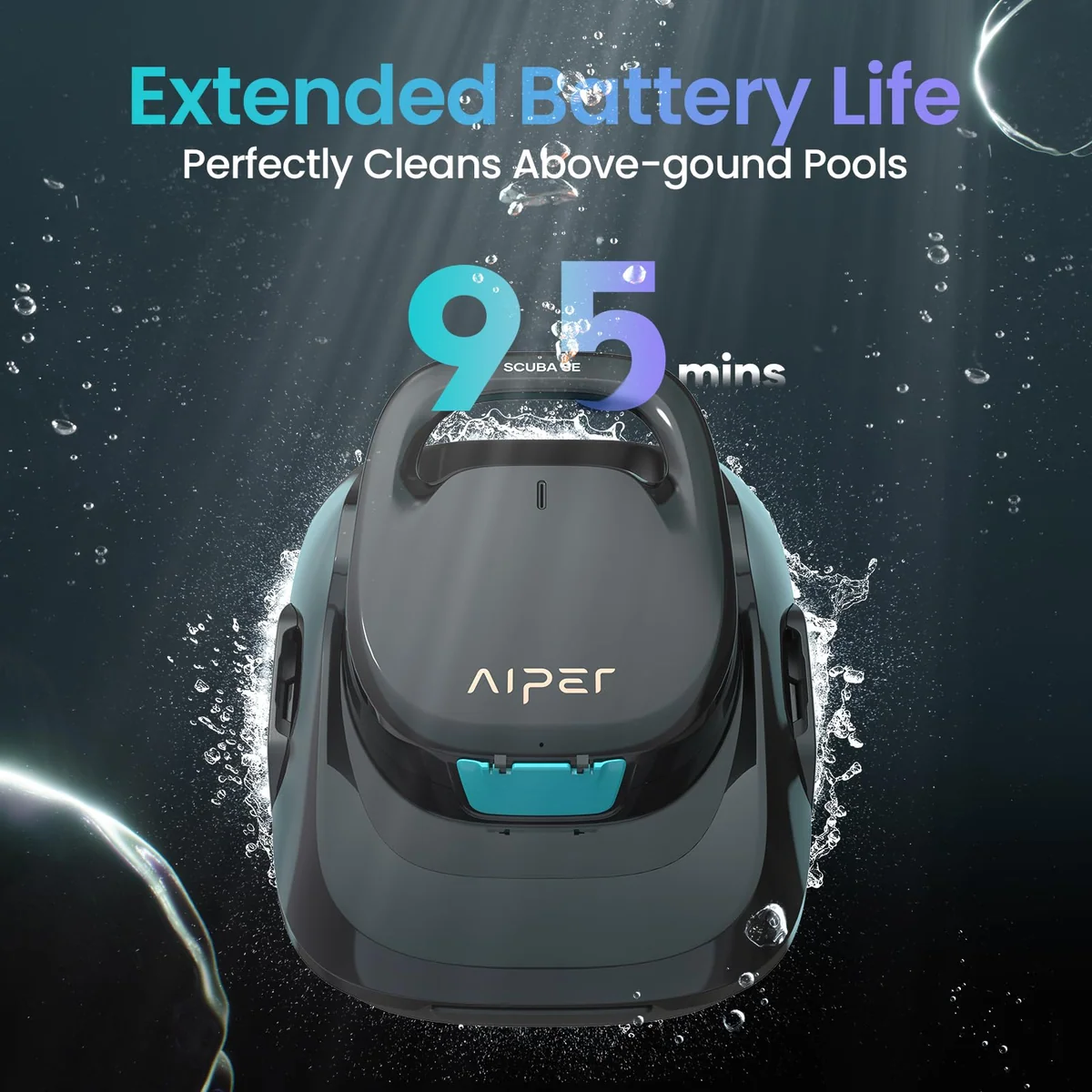
The trade is a cycle of charging, deploying, retrieving, rinsing and charging again. One owner reported about 90 minutes when the battery was behaving normally, close to the advertised ceiling, while another said a dirty pool could require several runs with cleaning and recharging between them. Cordless freedom removes one kind of setup, but it does not create continuous power.
Auto-parking is not a dock
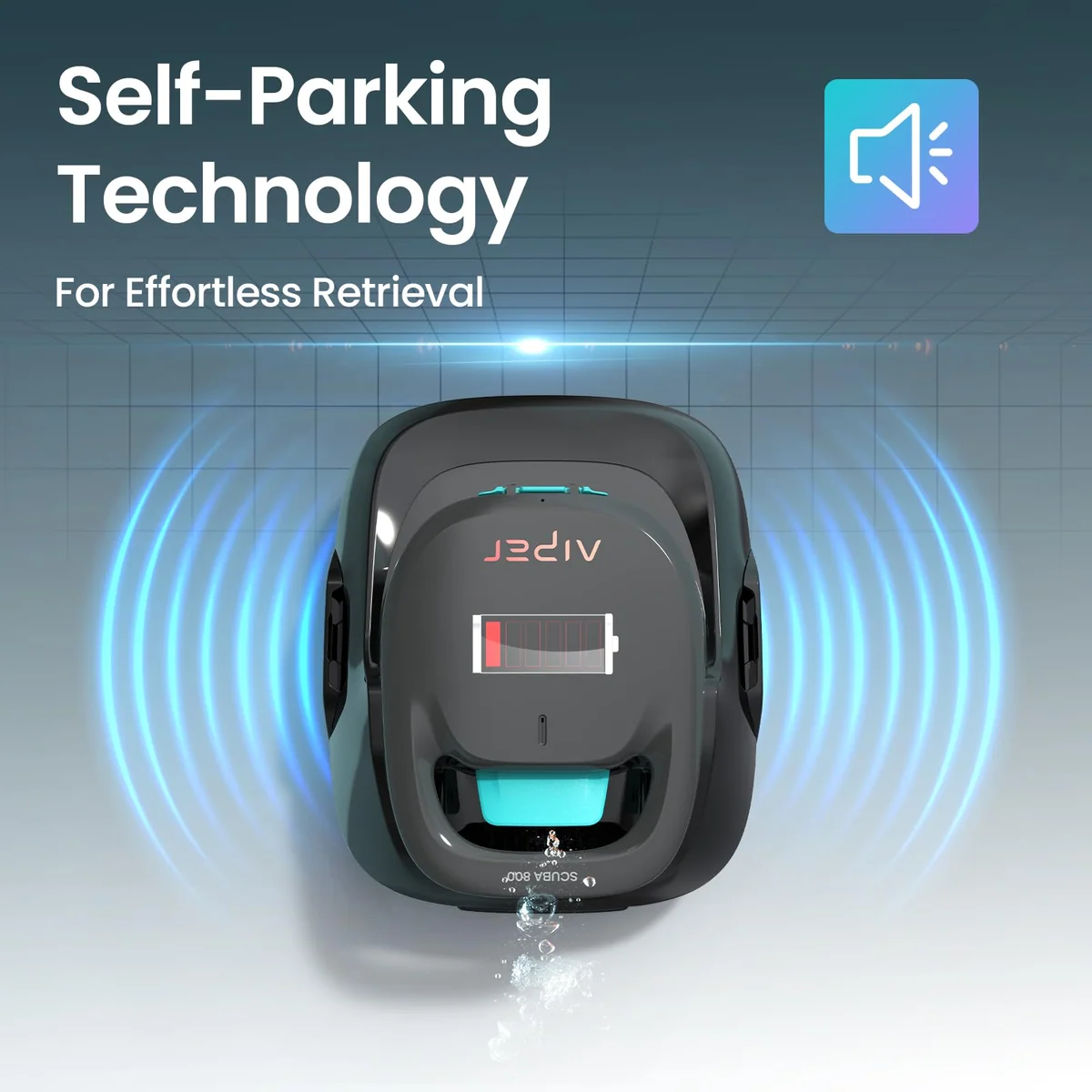
Aiper says the cleaner is designed to return to poolside as the battery runs low. Read that as an attempt to stop near an edge, not as navigation back to a charging station or a guaranteed retrieval point. The retained exact-product reviews do not establish how consistently this function succeeds, and one owner’s report of the cleaner dying in the middle is enough to keep the wording cautious.
Water changes the handling
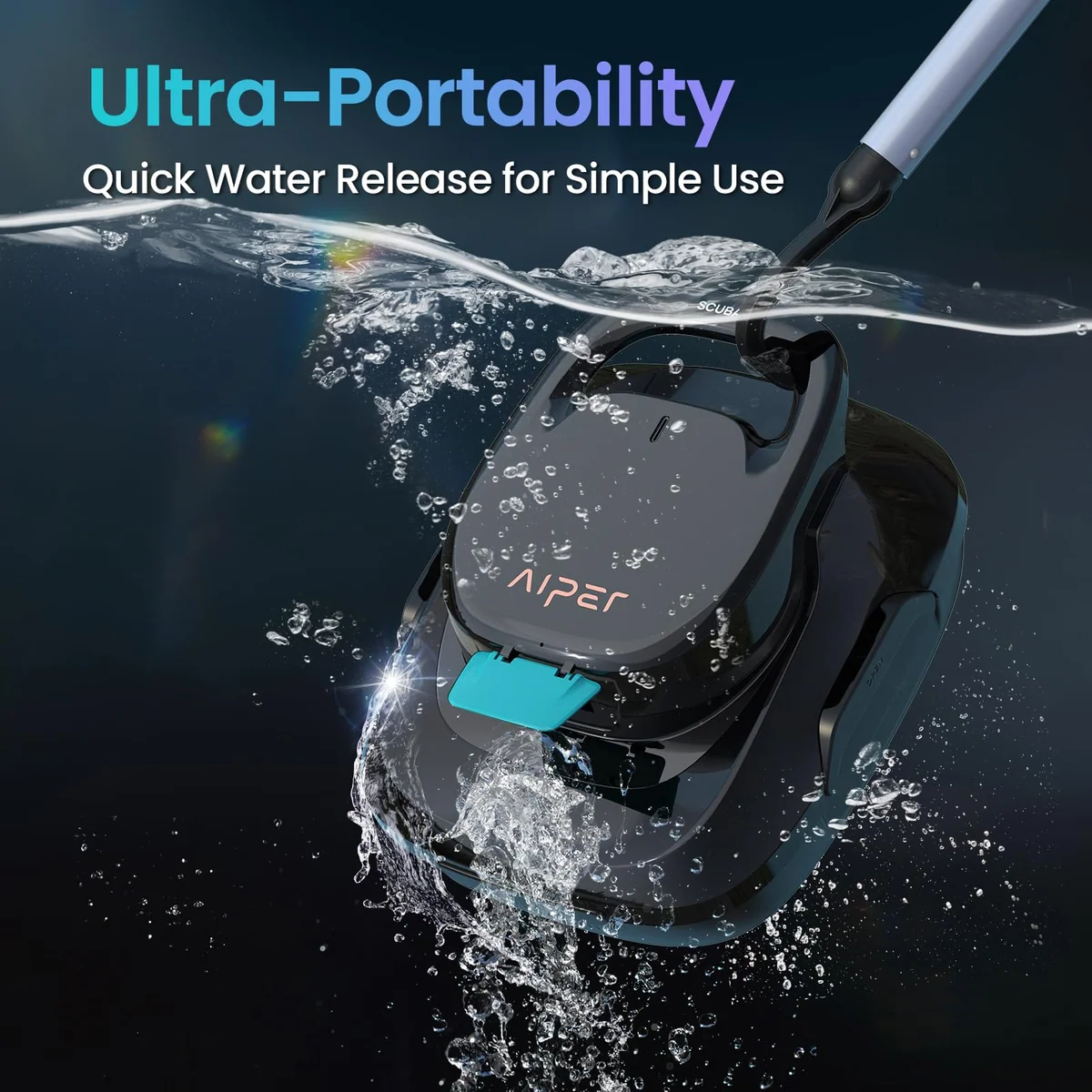
The listing claims that 90 percent of the retained water drains in 15 seconds, although the supplied record contains no independent timing for that figure. Owners disagree about the handling: one calls the cleaner heavy, while another describes it as lightweight and easy to remove with the hook. Both impressions can coexist if the first lift carries a waterlogged machine and the second follows a pause at the waterline.
- Charge the cleaner according to the manual for this exact model.
- Disconnect it from power, switch it on and lower it level so trapped air can escape.
- Confirm that it lands upright and watch the first cycle for wrinkles or snag points.
- Use the retrieval hook to bring it to the edge, then pause at the waterline while it drains.
- Empty and rinse the filter after the run, then dry and store the cleaner as directed by its manual.
Strengths & Limitations
Strengths
- The cordless routine removes suction-hose and operating-cable setup.
- It can collect leaves and ordinary loose bottom debris on a suitable smooth floor.
- Exact-product owners describe the cleaner and its filter as easy to remove and rinse.
- Aiper sent no-cost replacements in two retained owner cases.
Limitations
- It is a floor cleaner with no supported wall, stair or waterline mode.
- Random movement can miss sections or leave the cleaner discharged in the middle.
- Wrinkles and uneven liner areas can strand its small chassis.
- Fine material may remain on the floor or be stirred back into the water.
- Exact-product reviews include early battery failure and a replacement that would not turn on.
The filter is where the grand promise comes apart
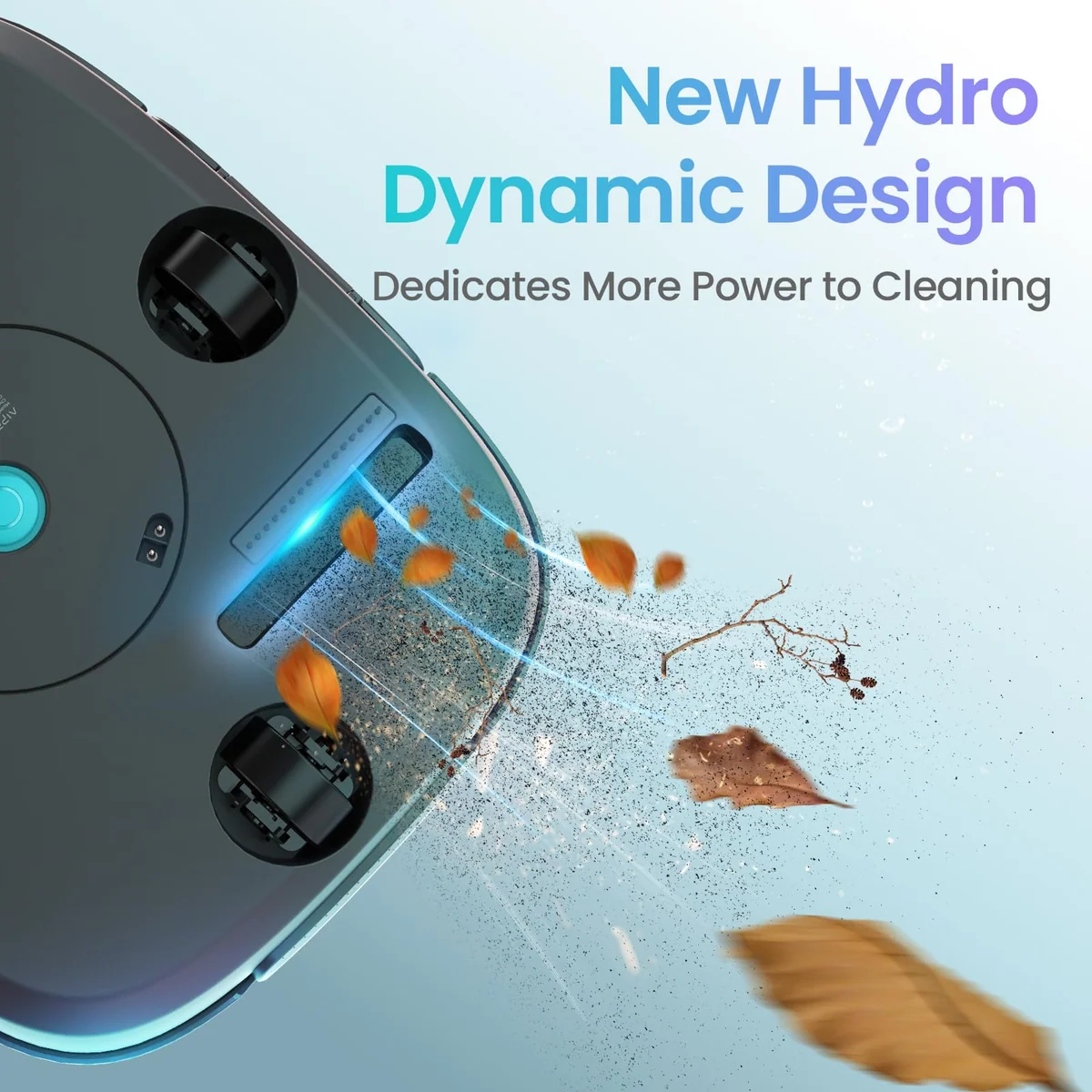
The listed 1,450 GPH figure is a rated flow, not an independently measured result, and flow through a cleaner is not the same thing as retaining every particle that enters it. Exact owners describe credible pickup of leaves and larger bottom debris, so this is not an empty shell rolling around the pool. The trouble begins when the job shifts from visible pieces to fine dirt.
One owner found that smaller debris remained behind despite successful leaf pickup. Another reported a worse outcome: the cleaner appeared to ingest material and then discharge it again, leaving the water stirred rather than the floor cleaned. The record cannot identify whether that second machine had a defective filter, an improperly seated component or debris finer than the filtration could retain, but the practical result is the same for a buyer. This is not a dependable tool for silt, dust or settled dead algae.
What it does best: collect scattered leaves, bugs, grass and ordinary loose dirt before the pool becomes heavily soiled.
What still needs another tool: fine sediment, stubborn corners, textured areas and any cleanup where leaving material in suspension counts as failure.
Its route is persistence, not navigation
The listing calls the edge-stopping function smart, but it makes no mapping claim. An exact-product owner describes the floor movement as random rather than patterned, and the cleaner reportedly exhausted its charge in the middle of a 22-foot round pool. That pool is well below the listing’s maximum area rating, which shows why compatibility and complete one-cycle coverage are not the same promise.
Random travel can work in a compact, open pool because repeated crossings give the cleaner more chances to encounter debris. It also has no memory of the strip it missed. A dirty filter proves that pickup happened somewhere; it does not prove that the entire floor was covered.
The pool floor gets a vote
A smooth, taut liner gives this small cleaner the uncomplicated runway it needs. One exact owner warned that an uneven liner can strand it, while another stayed outside to watch for sticking despite otherwise praising the cleaning result. Wrinkles, low spots and awkward obstructions are therefore not cosmetic details when deciding whether this machine fits.
| Pool condition | Likely result | Smart expectation |
|---|---|---|
| Smooth, flat floor with scattered routine debris | Its strongest use case | Let it reduce manual cleanup, then spot-check missed areas. |
| Heavy leaves or a very dirty opening-stage pool | Capacity and coverage become limiting | Expect filter cleaning, recharging and more than one pass. |
| Fine silt, dust or dead algae | Unreliable retention | Use a cleaner designed for fine debris or vacuum the material directly. |
| Wrinkles, unevenness or snag points | Higher risk of stranding | Resolve the obstacle or choose a cleaner with better clearance. |
| Walls, stairs or the waterline | Outside this model’s job | Choose a whole-pool cleaner rather than asking a floor machine to improvise. |
Value depends on how little you ask of it
The Scuba 2025 earns its place by saving setup effort at the budget end of the category, not by matching a stronger or more systematic robot. It can be worthwhile when the alternative is skipping routine floor cleanup because dragging out a hose is annoying. Its value collapses when each run ends with fine dirt still visible, the chassis stuck on a wrinkle or the battery headed back through warranty.
Consider it when
Your above-ground pool has a flat, taut liner, stays chemically clear and mainly collects scattered leaves, bugs and ordinary loose debris.
You are comfortable checking its work, rinsing the filter after every run and using a manual vacuum for the material it leaves behind.
Choose another cleaner when
Your floor has wrinkles, a slope or troublesome obstacles, or you need deliberate coverage instead of repeated random passes.
You expect walls, stairs, the waterline, fine sediment or a full dirty-pool recovery to be handled by the same machine.
If the floor geometry already disqualifies this model, start with our guide to the best robotic cleaners for above-ground pools. Buyers dealing with settled dust or dead algae should instead compare models selected for sand, silt and fine debris, while anyone expecting vertical cleaning needs the separate guide to wall and waterline robots.
The other decision is whether the missing cord is worth accepting a battery, recharge delay and less predictable coverage. Our corded versus cordless cleaner guide explains that trade without pretending either power system is automatically better for every pool.
The bargain can turn into a warranty errand
Battery durability is the largest ownership risk in the exact-product record. One cleaner quit and was replaced without charge, after which the replacement reportedly worked well. In a more severe case, the first unit stopped holding a useful charge within roughly two weeks and the replacement would not turn on, sending the buyer through a second warranty claim.
Those reports make early failure real, but eight retained review texts are far too few to calculate a meaningful defect rate. The same set contains owners whose batteries were holding up and one who received approximately 90 minutes per cycle. The responsible conclusion is not that every Scuba 2025 will fail; it is that this model does not arrive with reassuring long-term evidence.
Customer support softens the consequence without fixing the underlying concern. Exact owners describe no-cost replacement and successful issue resolution, but a responsive exchange process is still an exchange process. Test the cleaner promptly, keep the purchase record and packaging until it has completed several normal cycles, and verify the exact seller return window and warranty terms before relying on it for a season.
The supplied evidence does not establish that this model has an official user-replaceable battery. Do not assume that a battery sold for a Scuba S1, N1, Seagull or another Aiper sibling will fit, seal or balance this cleaner correctly. If capacity collapses, seek model-specific service information before opening a waterproof housing.
Frequently Asked Questions
Is this cleaner the same as the Aiper Scuba S1?
No, this review covers the compact Scuba 2025 floor cleaner listed with a 95-minute ceiling, not the differently specified Scuba S1.
What should I check if the cleaner stops moving?
Confirm that it is charged, powered on, fully submerged and upright, then inspect the filter, intake, wheels and surrounding liner for debris, wrinkles or another obstruction.
What should I do if the cleaner will not charge?
Check the outlet, original charger connection and clean dry charging port, then use the seller or Aiper support channel if the unit still will not power on or hold a charge.
Can I replace the battery myself?
The supplied record does not establish an official user-replaceable battery for this exact model, so request model-specific service information instead of opening its waterproof housing.
Does auto-parking return the cleaner to a charging dock?
No, Aiper describes auto-parking as returning to poolside for retrieval, and the cleaner still needs to be lifted out and recharged by its owner.
Which instructions should I use for this cleaner?
Use the manual supplied for this exact Scuba 2025 model because button sequences, indicator meanings and charging procedures from other Aiper cleaners may not apply.