Choose the Beatbot Sora 30 unless you need one robot to skim the surface.
Buy the Sora 30 for underwater cleaning and qualifying tanning ledges, and pay for the Sora 70 only when its integrated surface skimming will replace a chore you perform often.
Beatbot Sora 30
Beatbot Sora 30 Pool Vacuum
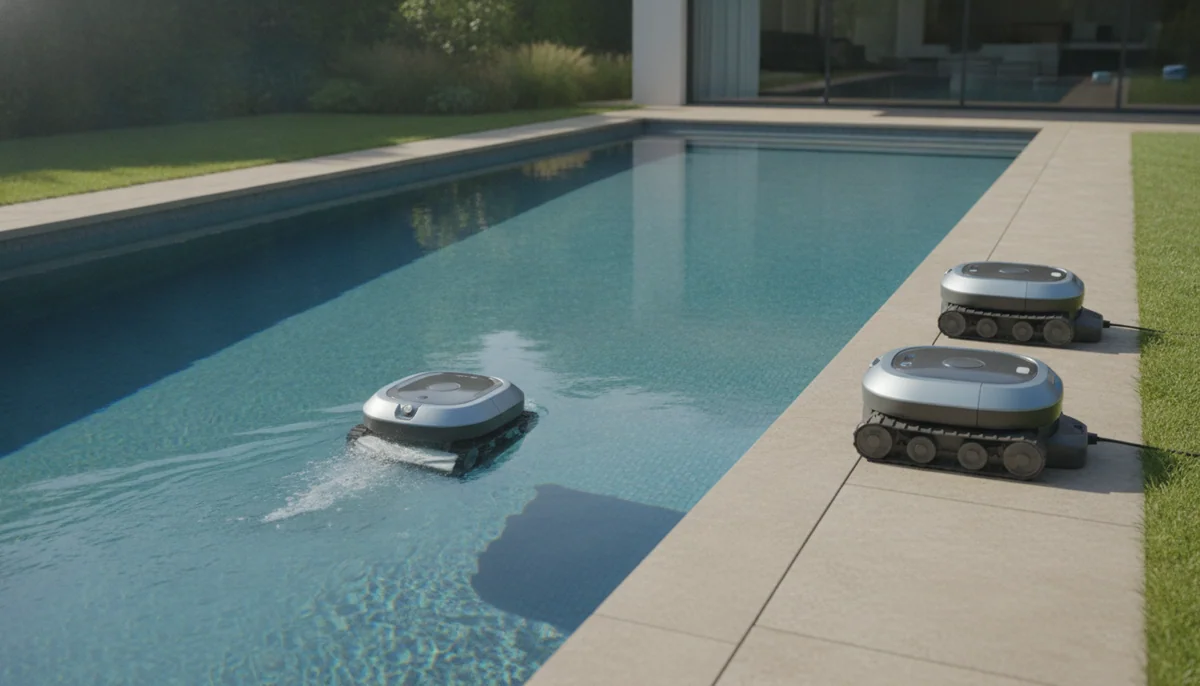
The number 70 suggests a stronger version of the 30, but that is the wrong way to understand these two cordless pool robots. Both carry the same manufacturer-rated 6,800-gallon-per-hour underwater flow, a 10,000 mAh battery, long floor-cleaning claims, wall and waterline capability, shallow-area ambitions, and surface parking after a normal cycle. The Sora 70 is not the Sora 30 with a mightier vacuum beneath it. It is the Sora 30 idea expanded upward to collect material floating on the water.
That distinction settles the comparison for most buyers. If your fixed skimmer, net, or separate surface robot already controls floating leaves and insects, the Sora 70 duplicates a job while leaving the core underwater filtration problem largely unchanged. If the water surface is continually littered and you want one machine to move between the top, floor, walls, waterline, and a suitable ledge, the Sora 70’s extra hardware has a clear purpose.
The upgrade is a skimmer, not a stronger vacuum
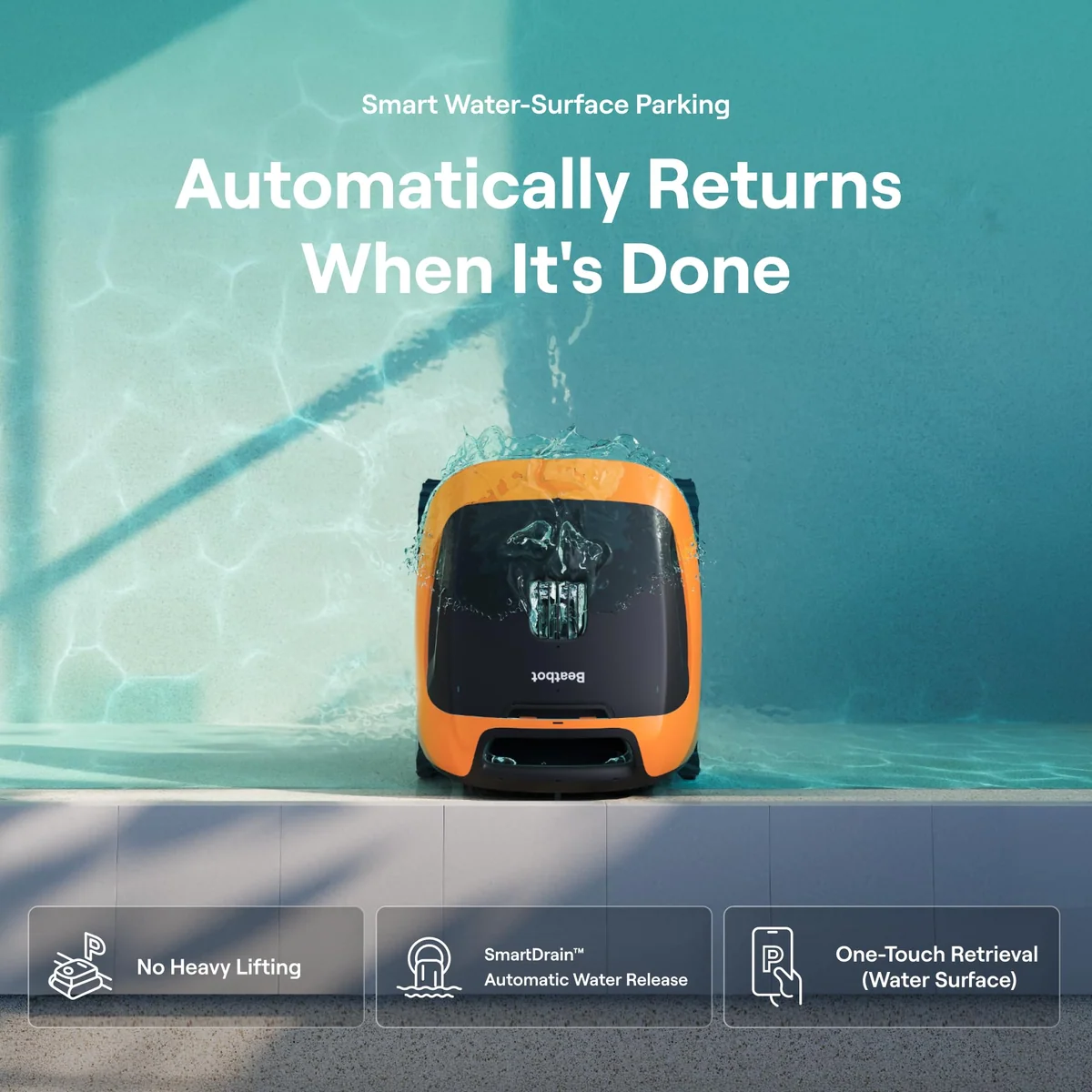
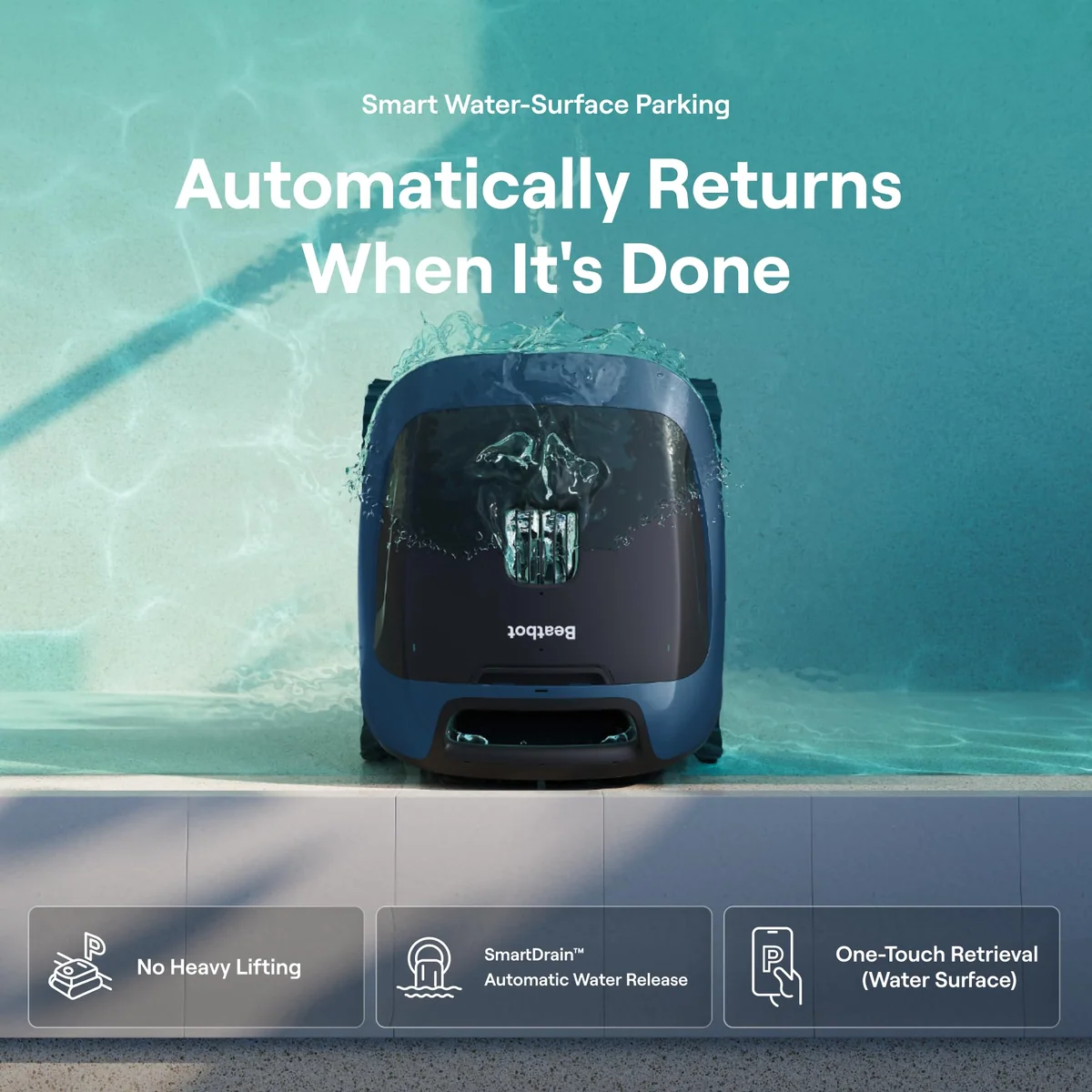
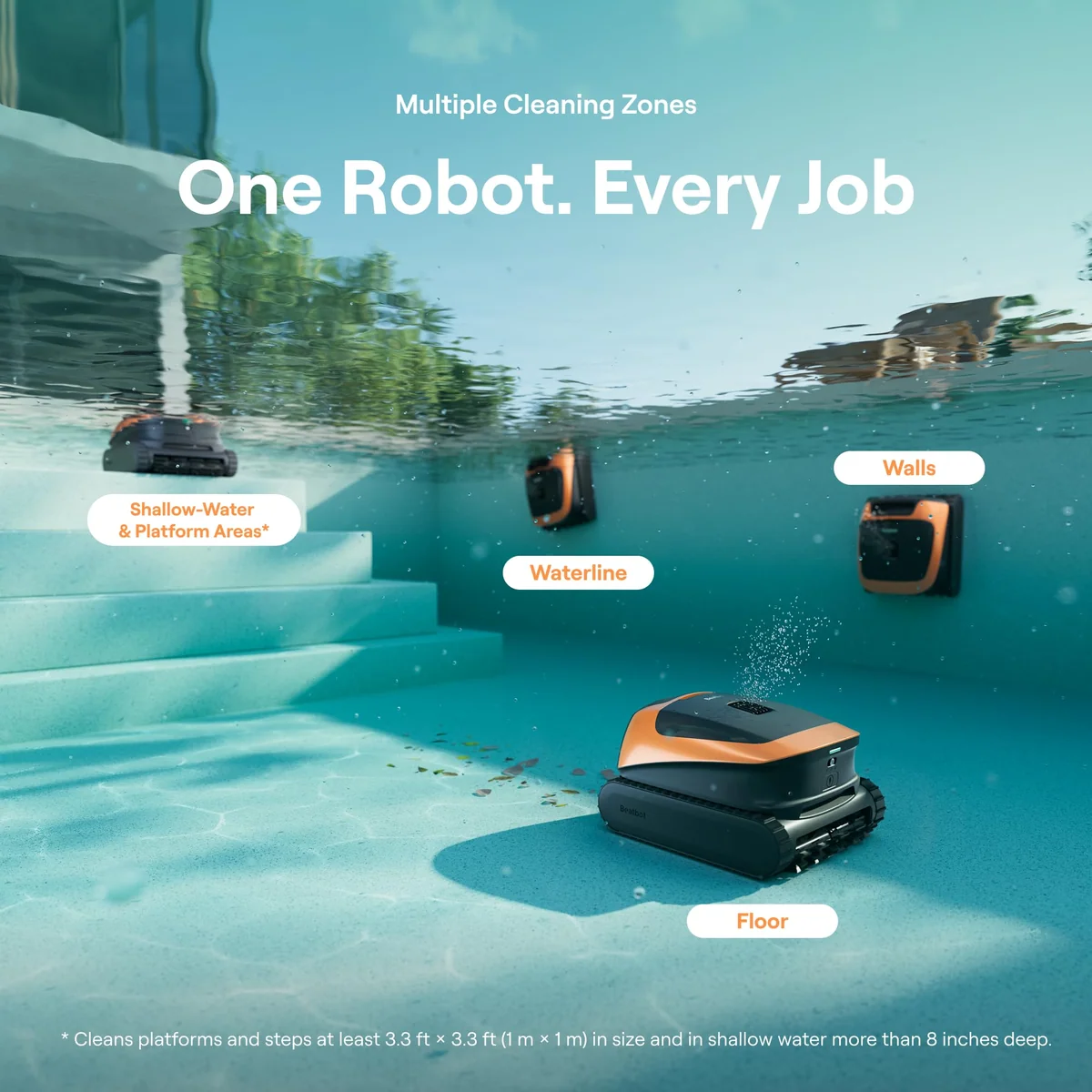
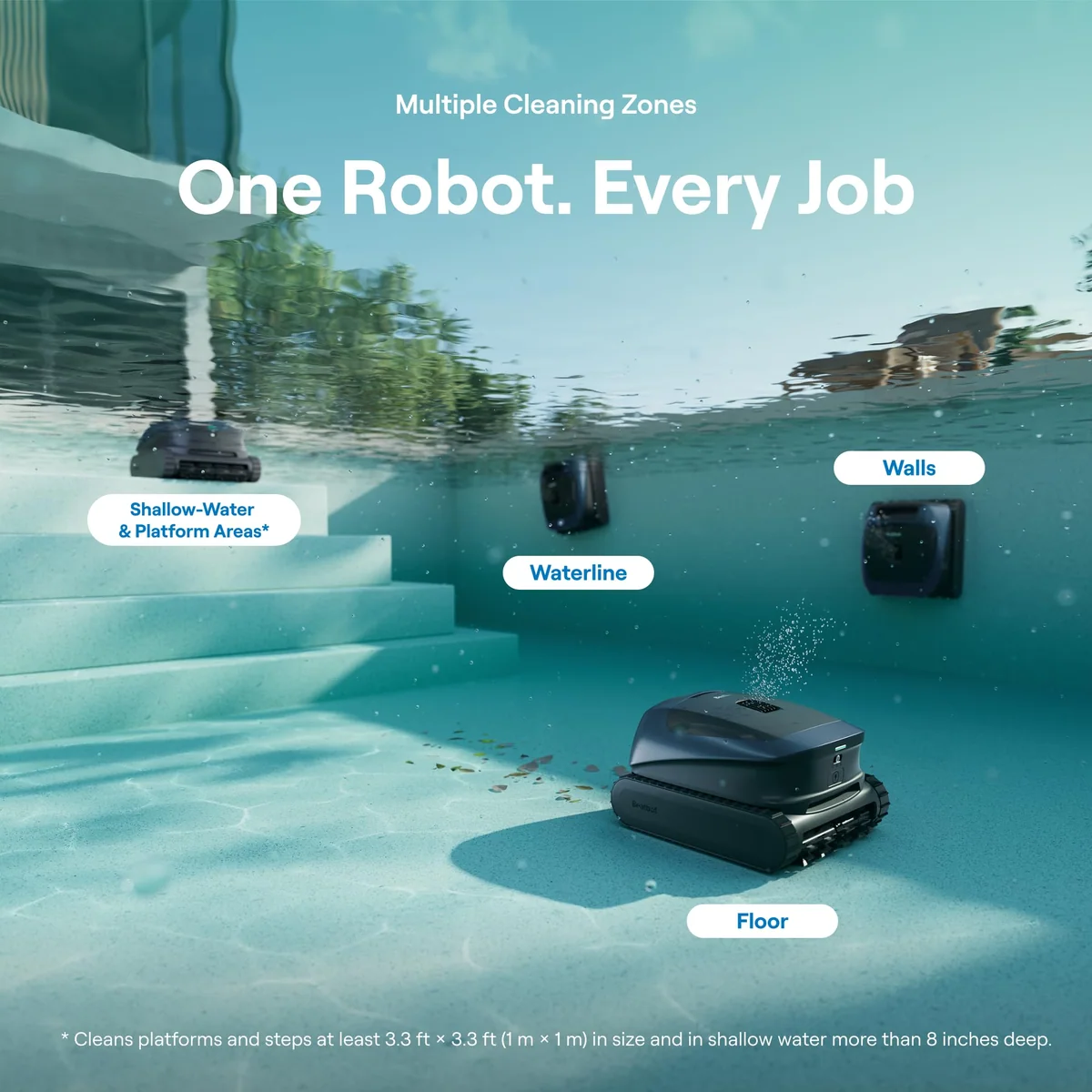
The Sora 30 cleans the floor, walls, waterline, and qualifying shallow platforms. Its “surface” feature is parking: after a standard cycle, it rises, drains, and waits to be retrieved. The Sora 70 can actively propel itself around the surface and draw floating debris into its basket. That is a genuine additional cleaning zone rather than a renamed parking routine.
The Sora 70 also brings a six-liter basket instead of the Sora 30’s five-liter basket, more operating modes, additional propulsion hardware, and a longer stated warranty. Those improvements favor pools that receive bulky leaves, bugs, and twigs. They do not establish finer filtration, more reliable underwater phone control, or universally better coverage of awkward steps and shelves.
Default choice
Sora 30: choose it when floor, wall, waterline, and sufficiently deep ledge cleaning cover the work you actually need.
Specialist upgrade
Sora 70: choose it when floating debris is frequent enough to justify carrying, charging, and rinsing one larger all-zone machine.
Wrong problem
Neither: choose by filtration rather than model number when powdery silt, pollen, or dead algae is the recurring complaint.
Beatbot Sora 30
Beatbot Sora 30 Pool Vacuum
At a Glance
| Feature | Beatbot Sora 30 | Beatbot Sora 30 Pool Vacuum |
|---|---|---|
| Price Range | $500–$1,000 | $500–$1,000 |
| Claimed runtime | Up to 300 minutes of floor cleaning from a 10,000 mAh battery | — |
| Check Price on Amazon | Check Price on Amazon |
What changes in the water, and what does not
| Decision point | Sora 30 | Sora 70 | Why it matters |
|---|---|---|---|
| Underwater rated flow | 6,800 GPH | 6,800 GPH | The upgrade is not supported by a higher headline vacuum rating. |
| Cleaning zones | Floor, walls, waterline, and qualifying shallow platforms | The same underwater zones plus active water-surface collection | Floating debris is the decisive functional difference. |
| Basket | 5 liters with a standard 150-micron filter | 6 liters with a standard basket whose fine-dust results are mixed | The 70 holds more coarse debris but should not be mistaken for a polishing filter. |
| Shallow areas | About 8 inches of water claimed | About 8 inches of water claimed | Depth, approach angle, tread width, and fixtures matter more than the higher model number. |
| Normal retrieval | Surfaces, parks, and drains | Surfaces, parks, and drains | Both reduce bottom-of-pool fishing, but neither makes the wet robot weightless. |
| Best reason to buy | Credible shallow-zone cleaning without paying for integrated skimming | One cordless machine that can address submerged and floating debris | The right choice follows the neglected layer of the pool. |
Both robots earn attention on broad tanning ledges
The shallow-water claim is meaningful, but eight inches is a threshold rather than a universal promise. A broad ledge with enough room for both tracks to mount, settle, turn, and recognize the drop is a good candidate. A narrow curved step, a five-inch sun shelf, or a platform interrupted by bubblers and fittings is not equivalent merely because it sits near the surface.
Direct Sora 30 footage showed the machine climbing onto a roughly 14-inch-deep shelf, reversing at its edge, and recovering from an approach it could not complete. A direct Sora 70 account likewise supports travel across suitable submerged seating and continued movement toward the waterline, while owner evidence includes success around the stated depth and failure on shallower geometry. The higher model number does not repeal the same physical constraints.
This is why owners with ledges should measure actual water depth and usable floor area before comparing features. If the shelf qualifies, both models have a credible reason to be considered among cleaners selected for steps, tanning ledges, and shallow shelves. If it does not, neither product’s shallow-area language should influence the purchase.
The Sora 70’s surface mode is useful but finite
Active surface collection is not a marketing fiction. The Sora 70 can float, propel itself, and collect bugs and leaves that an underwater-only cleaner cannot reach. It is particularly appealing for a quick cleanup before swimming, after wind has covered the pool, or where fixed skimmers leave quiet corners untouched.
It is still a battery-sharing compromise. The same machine must divide its charge among surface travel and underwater work, then be removed, emptied, dried around the charging area, and recharged. A dedicated solar skimmer can patrol for much longer while the underwater cleaner works elsewhere, although that arrangement creates two ownership and maintenance routines. The practical difference is covered in Smart Pool Bots’ guide to surface skimmers and underwater vacuums.
Fine debris is the shared reason to hesitate
Both robots have encouraging records with leaves, insects, grass, twigs, ordinary visible dirt, and at least some sand. Neither has a clean enough record with powdery sediment to make fine filtration the reason to buy. High flow can move particles toward a basket, but it cannot force coarse media to retain material that passes through the mesh.
The Sora 30 includes a 150-micron filter, and finer filtration is treated as a separate accessory. One exact-model owner reported that the rear of the cleaner lifted from the floor and the machine shut down repeatedly after the optional ultra-fine filter was fitted. The Sora 70 record is less mechanically alarming but still divided: some owners report very fine pickup, while another found that settled material was recirculated and clouded the water. These are poor odds when fine silt is the main problem rather than a secondary nuisance.
Buyers facing storm dust, pollen, dead algae, or cloud-forming sediment should start with the site’s fine-debris cleaner guide. Choosing the larger Sora basket does not answer the smaller-particle question.
The app cannot negotiate with water
The apps support setup, firmware, mode selection, records, battery information after reconnection, completion notices, and surface commands. Those conveniences are useful on deck and while the Sora 70 is floating. Once either cleaner sinks, normal Wi-Fi and Bluetooth communication becomes unreliable or disappears.
Neither model should be bought for live underwater steering, an instant command from the deep end, or room-vacuum-style monitoring on a phone. The robots follow their onboard routines until they return to communication range. Stored modes and short Eco cycles can change when the work happens, but they do not remove deployment, retrieval, basket cleaning, or charging.
Ranked buying choices
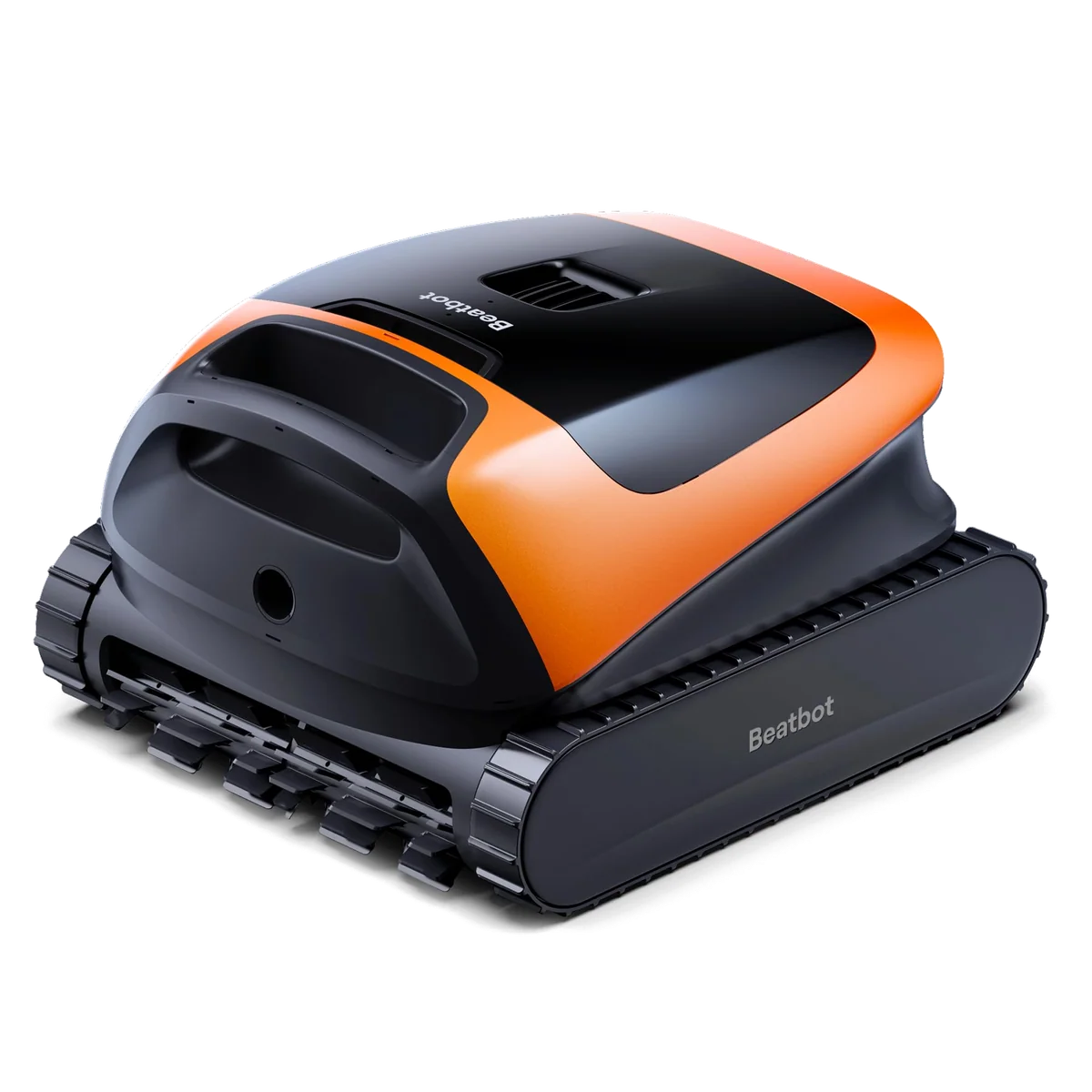
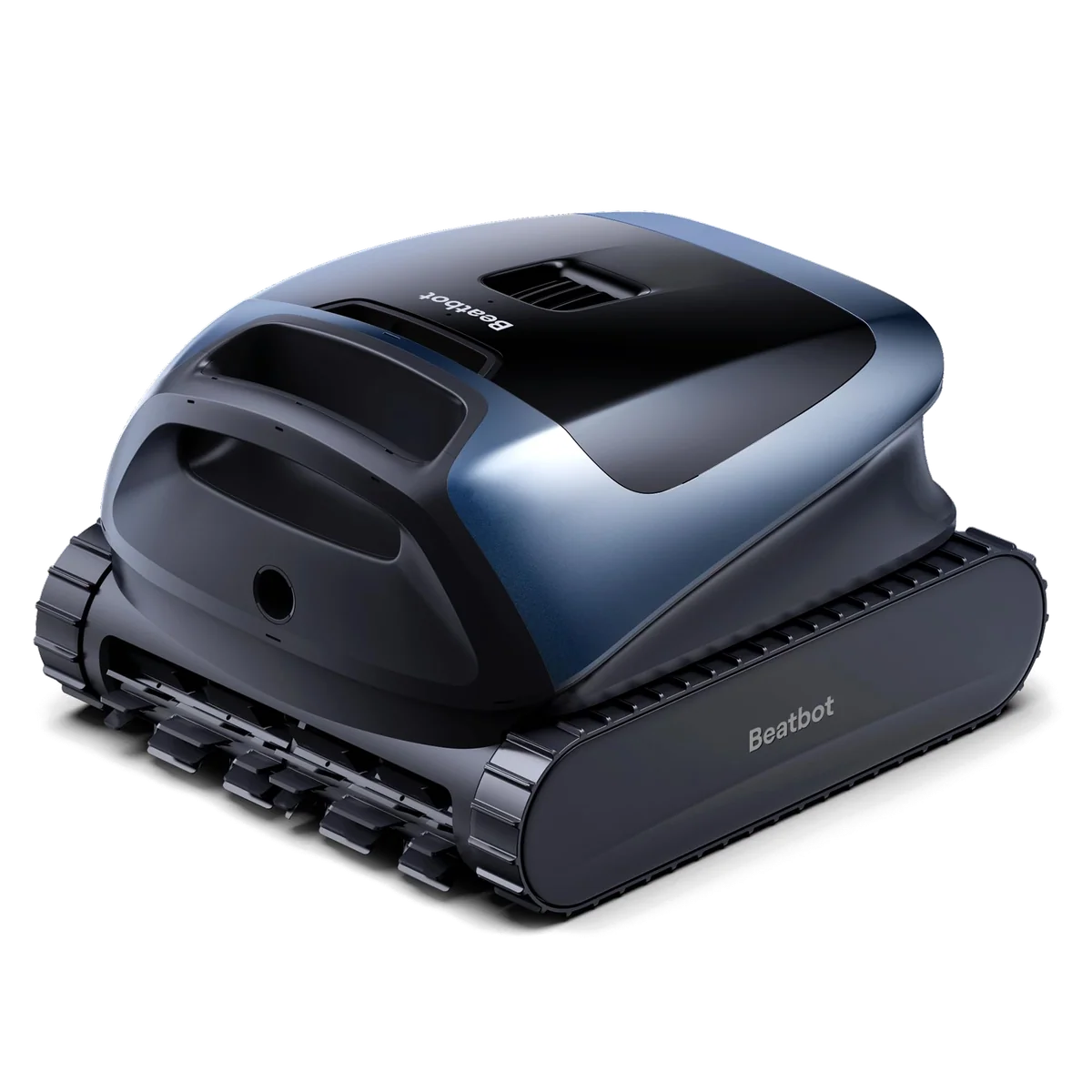
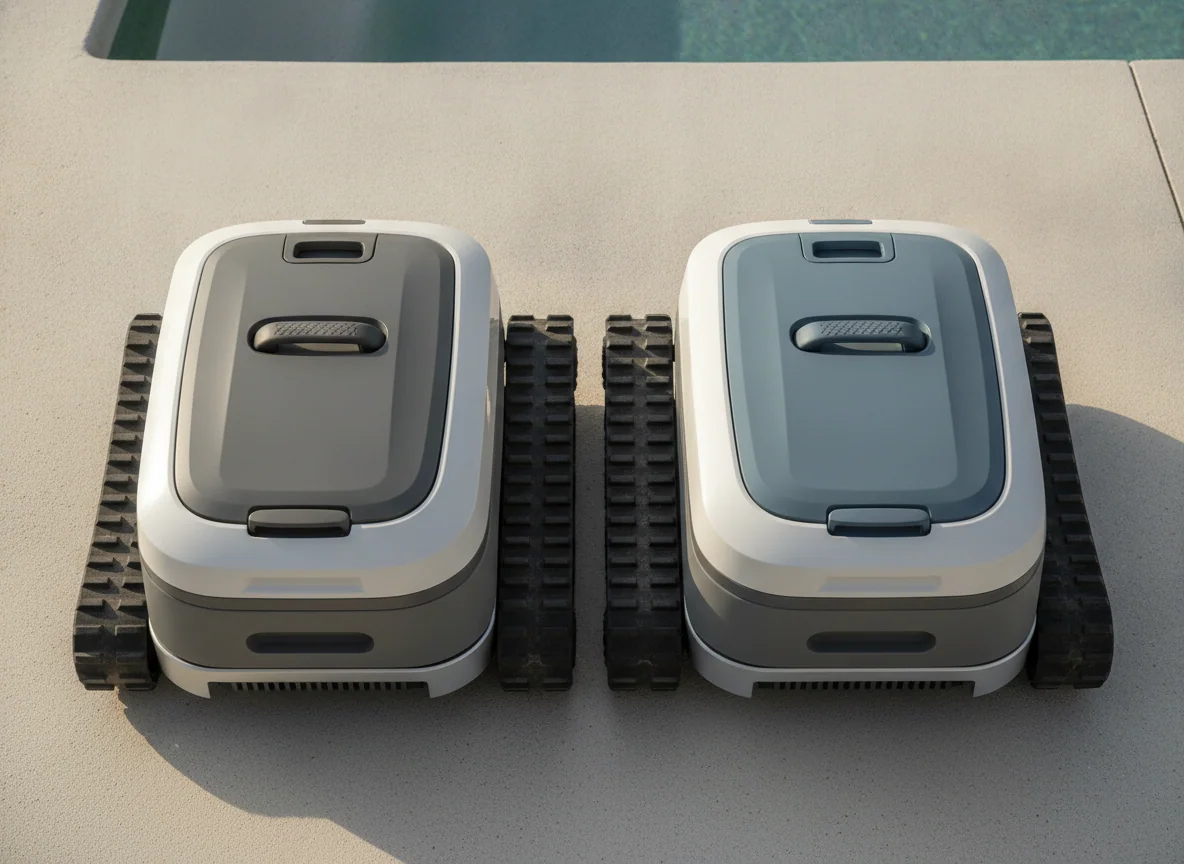
The first two cards are color listings for the same Sora 30 model, so their visible order is not a performance distinction between orange and blue.
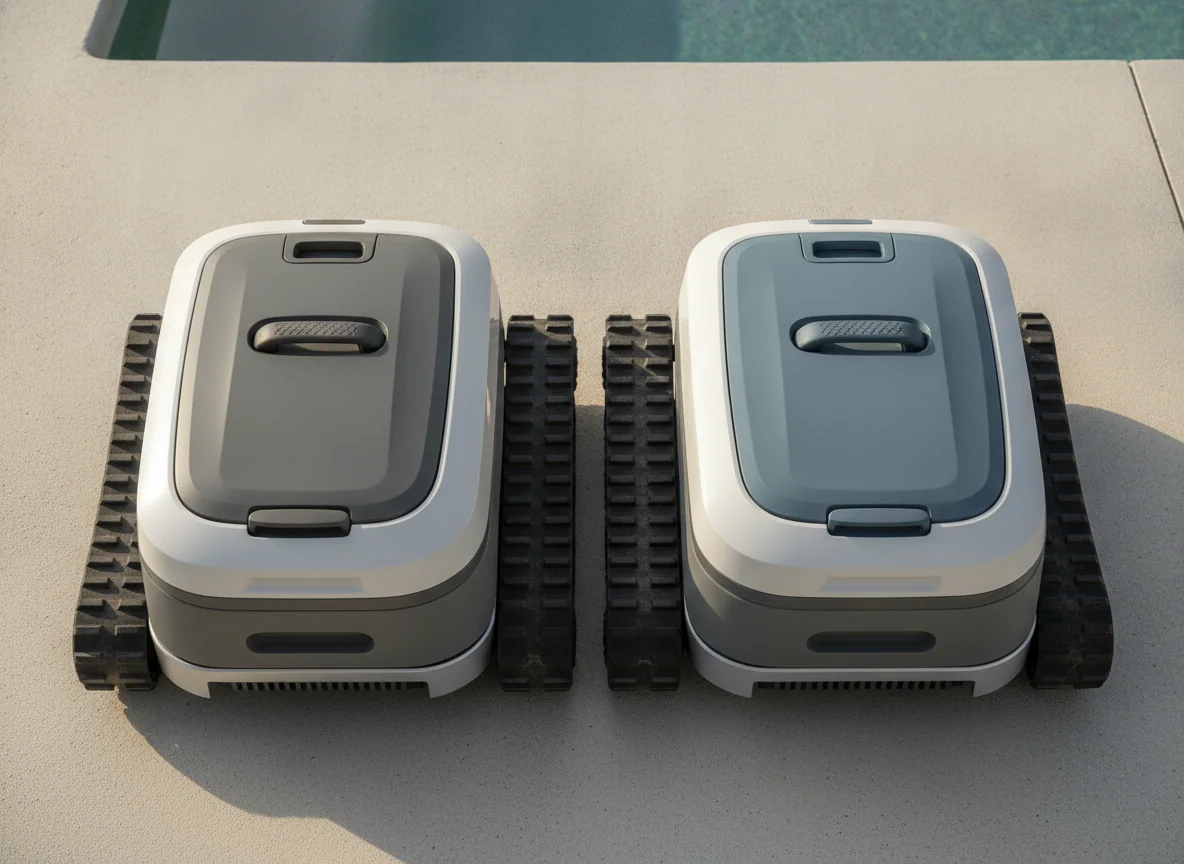
The orange Sora 30 is the best choice for most buyers in this comparison.
It delivers the ledge, floor, wall, waterline, long-runtime, and drained-retrieval advantages that define the series without charging extra ownership complexity for active surface skimming.
Its 150-micron filter is a poor foundation for a fine-silt purchase, and one owner reported a serious mobility failure after adding the separate ultra-fine filter.
The blue Sora 30 is the same winning cleaner in a different finish.
Choose this listing by color or purchasing preference because its model, rated flow, battery, cleaning zones, basket, and shallow-water claim match the orange version.
The software can be frustrating, underwater control is not dependable, and surface parking may still leave the retrieval hook with work to do.
The Sora 70 is the right upgrade for pools that collect floating debris every day.
Its active JetPulse surface collection and six-liter basket give one cordless machine a useful role above the water as well as on the floor, walls, waterline, and qualifying ledges.
The larger body still needs hands-on charging and lifting, while conflicting fine-particle results make its standard filtration a risky answer to persistent dust or silt.
Beatbot Sora 30
Beatbot Sora 30 Pool Vacuum
Match the robot to the layer that stays dirty
Choose the Sora 30 when the trouble is underwater
The Sora 30 is the sensible default for a pool whose fixed skimmer already handles the top. It offers credible routine pickup, wall climbing, waterline contact, a large top-access basket, long cordless cycles, and unusual shallow-platform ability. It also rises and drains after a normal run, which addresses retrieval without pretending to clean floating debris.
It makes the strongest case in a complex pool with a broad tanning ledge that holds roughly eight inches of water or more. In a simple rectangle without a ledge, even the Sora 30 may be more machine than necessary, so compare it with the lower model in the Sora 30 and Sora 10 guide before assuming the middle number is automatically the value choice.
Choose the Sora 70 when the trouble floats
The Sora 70 earns its premium when leaves, insects, pollen clumps, and other visible material remain on the surface often enough to demand regular net work. It can address that layer during a chosen cycle, then return to underwater cleaning without asking you to own a second robot.
This is consolidation rather than full automation. You still have one finite battery, one large wet machine to lift, and one basket that may need an interim rinse after an unusually heavy storm load. Owners who need all-day surface patrol should compare the arrangement with the site’s dedicated robotic skimmer picks instead of assuming an all-in-one machine must be the more hands-off answer.
Walk away from both when filtration or scheduling is the priority
Neither Sora is the clean recommendation for persistent powdery silt, dead algae, or fine sediment that turns the water cloudy when disturbed. That job depends on filtration media and pool-system management, not merely flow rate, runtime, or basket volume.
Both are also poor fits for someone expecting a charged robot to launch itself every day. Cordless convenience removes a cable from the pool but replaces it with a charging and redeployment routine. Readers deciding which nuisance they prefer should use the site’s corded and cordless ownership comparison.
The Sora 30 wins because it retains the Sora line’s most persuasive underwater abilities, while the Sora 70 becomes the better purchase only when its real but intermittent surface skimming solves a recurring problem rather than decorating a feature list.
Frequently Asked Questions
Does the Sora 70 vacuum the pool floor more powerfully?
No, both models carry the same manufacturer-rated 6,800-gallon-per-hour underwater flow, so the 70’s defining upgrade is active surface cleaning rather than a higher headline suction figure.
Is surface parking the same as surface skimming?
No, both robots can rise for retrieval, but only the Sora 70 actively travels around the water surface to collect floating debris.
Which model is better for a tanning ledge?
Both can clean a broad ledge around the stated eight-inch threshold, so geometry and water depth matter more than choosing the higher model number.
Can either app steer the robot while it is underwater?
No, normal Wi-Fi and Bluetooth communication do not remain dependable underwater, so the apps are chiefly useful for setup, mode selection, records, notifications, and surface functions.
Which color of the Sora 30 performs better?
Neither color has a documented performance advantage because the orange and blue listings describe the same model and core specification set.
Should fine-silt buyers choose the larger Sora 70 basket?
No, additional basket volume helps with coarse debris but does not resolve the conflicting evidence around retention of powdery dust and very fine sediment.
Can the Sora 70 replace a dedicated surface skimmer?
It can replace occasional manual skimming, but a separate surface robot remains the stronger arrangement for continuous patrol because the Sora 70 shares one finite battery across every cleaning zone.
Ready to Choose?
Sources (2)
- Amazon listings and customer reviews — Beatbot Sora 30 and Beatbot Sora 30 Vacuum
- Owner and reviewer video, 3 channels