WYBOT A1 vs B1: The B1 Wins More Pool, but Not Our Trust
Skip both for most pools: the B1 is the narrow winner because it can address walls and the waterline, while the A1 is worth considering only as a light floor sweeper for a flat, obstacle-free pool.
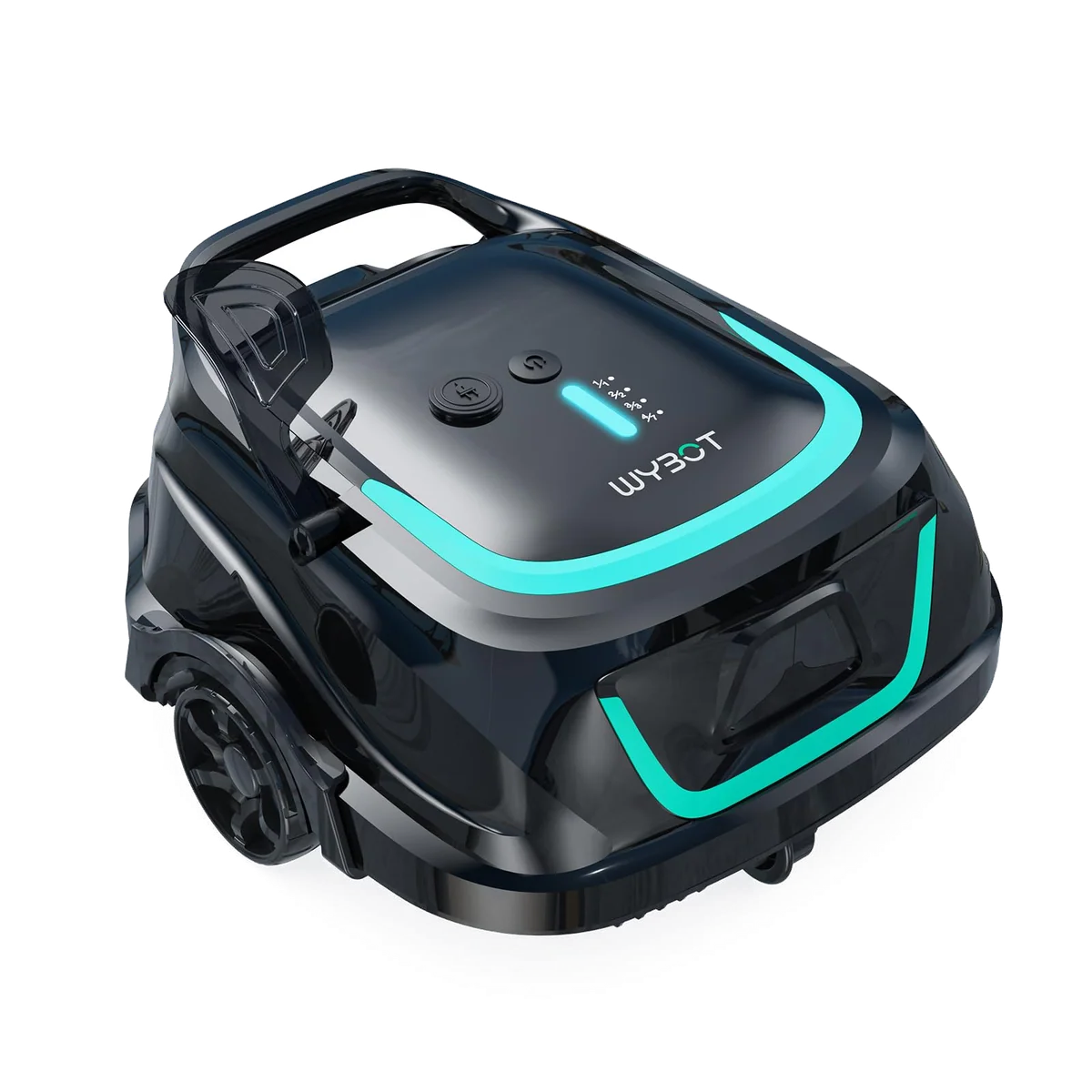
WYBOT A1
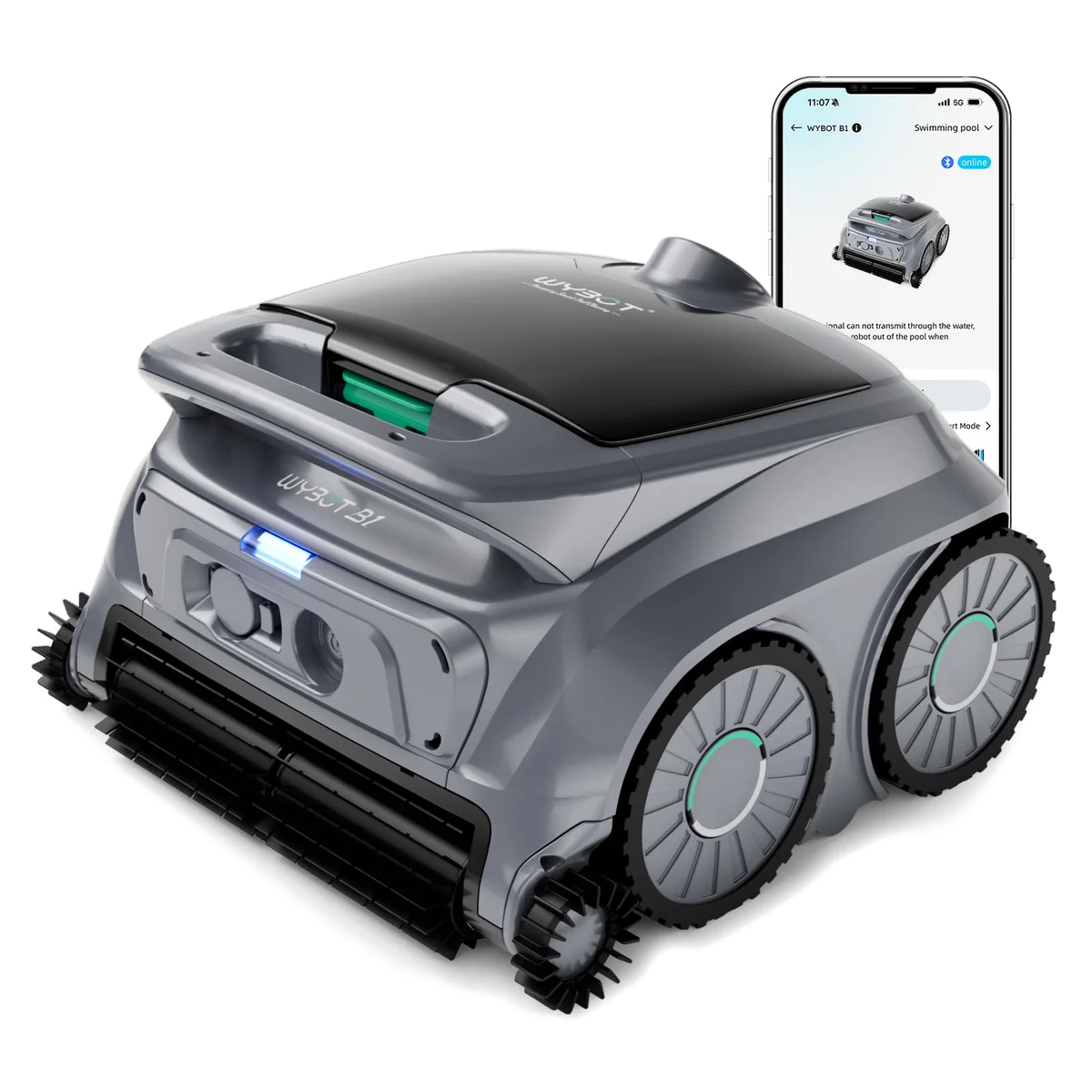
WYBOT B1
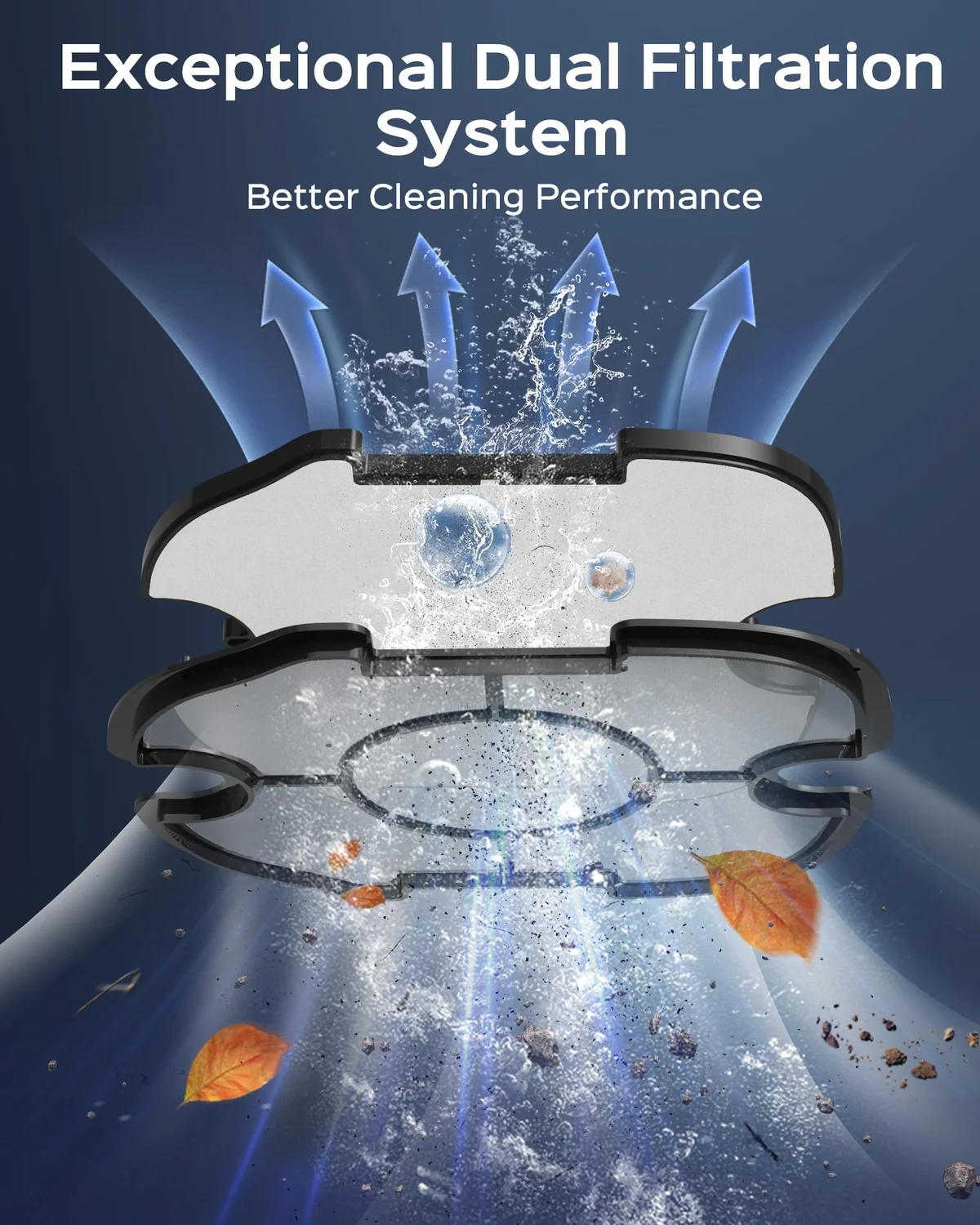
These two WYBOTs share a cordless pitch, but they do not perform the same job. The A1 drives across the floor and vacuums loose debris through a dual-layer filter. The B1 adds rollers, wall climbing, waterline reach, multiple cleaning modes, and app-based setup. Calling the B1 the winner is therefore easy; calling it a good buy is not.
The B1’s larger feature list does not cure the problem that matters most: uneven coverage. It can climb a wall, cross an ordinary drain, and collect visible debris, then spend too much of a cycle revisiting one corner or struggling with steps and slopes. The A1 asks less of itself, but random travel, no active brush, terrain sensitivity, and reports of abrupt stoppages make even that narrower promise uncertain.
This comparison comes down to the work left behind. The B1 may still require corner, step, and fine-particle cleanup. The A1 always leaves walls, the waterline, and attached grime to you. If either remainder sounds like the chore you hoped to eliminate, neither machine solves the purchase.
WYBOT A1
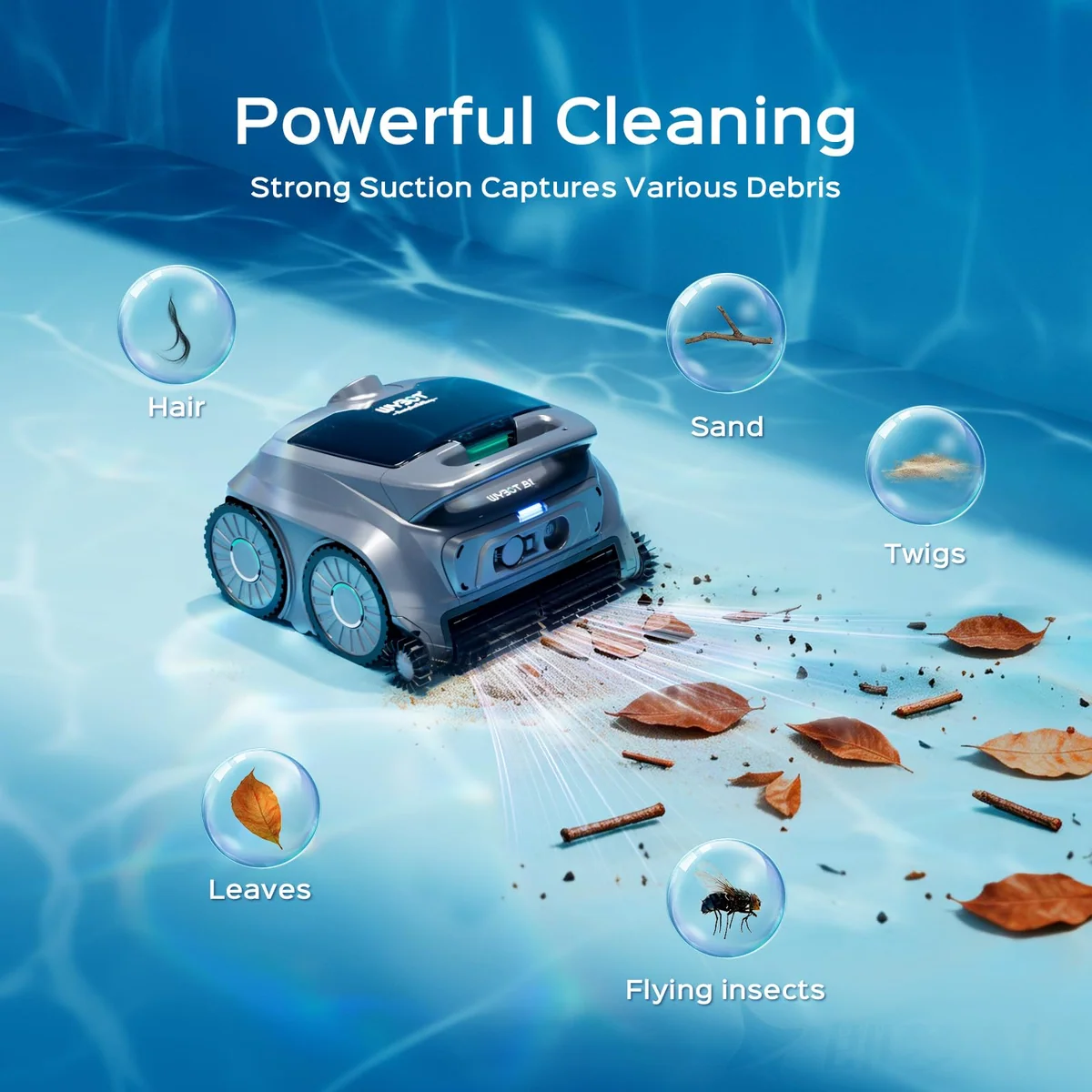
WYBOT B1
At a Glance
| Feature | WYBOT A1 | WYBOT B1 |
|---|---|---|
| Price Range | $200–$500 | Under $200 |
| Claimed runtime | — | Up to about 120 minutes in eco floor mode |
| Check Price on Amazon | Check Price on Amazon |
The B1 wins the comparison, then loses the easy recommendation
The better specification sheet belongs to the B1. It attempts a full-pool cycle rather than restricting itself to loose material on the floor, and its rollers give it a credible way to disturb dirt instead of relying on suction alone. That is enough to rank it first.
The stronger recommendation does not follow automatically. A cleaner that reaches more surfaces but covers them inconsistently can create a longer inspection ritual after every run. A simpler floor vacuum can be the saner tool when the pool is genuinely flat and the owner wants frequent sediment pickup, but that is a narrow exception rather than an upset victory for the A1.
| Decision point | WYBOT A1 | WYBOT B1 | Advantage |
|---|---|---|---|
| Cleaning reach | Pool floor only | Floor, walls, and waterline | B1 |
| Cleaning action | Suction without an active scrubber | Rollers, small edge brushes, and suction | B1 |
| Fine material | Documented 180 μm filter with a textured foam layer | Visible debris is its clearer strength, with no comparable fine secondary layer established in the record | A1 |
| Pool geometry | Best on a flat floor without wrinkles, drains, ladders, or transitions | More capable on ordinary transitions, but still unreliable around steps, shelves, slopes, and awkward corners | B1, narrowly |
| Controls | Simple on-unit operation | App-assisted mode and pool setup before immersion | Depends on whether simplicity or configuration matters more |
| Coverage confidence | Random travel can leave untouched patches | More planned movement, but direct owner reports still describe repeated and missed areas | Neither |
| Best role | Maintenance sweeper for loose floor debris | Budget full-pool cleaner for a small, simple pool | Different jobs |
The B1 is the broader cleaner for a very simple pool.
It earns first place because it can address the floor, walls, and waterline while the A1 cannot, and its cordless design keeps deployment straightforward.
Its coverage can become repetitive or incomplete around slopes, steps, ledges, and corners, and the retained owner record also includes short runtime, an early failure, and poor support.
The A1 is the simpler floor sweeper for the narrowest job.
Its strongest case is frequent pickup of loose sand, silt, bugs, and small debris from a smooth floor, helped by a documented mesh-and-foam filtration stack and a rated runtime of up to 130 minutes.
It cannot scrub attached grime or clean walls, and exact-model owners report units stopping in place or shutting down before completing useful coverage.
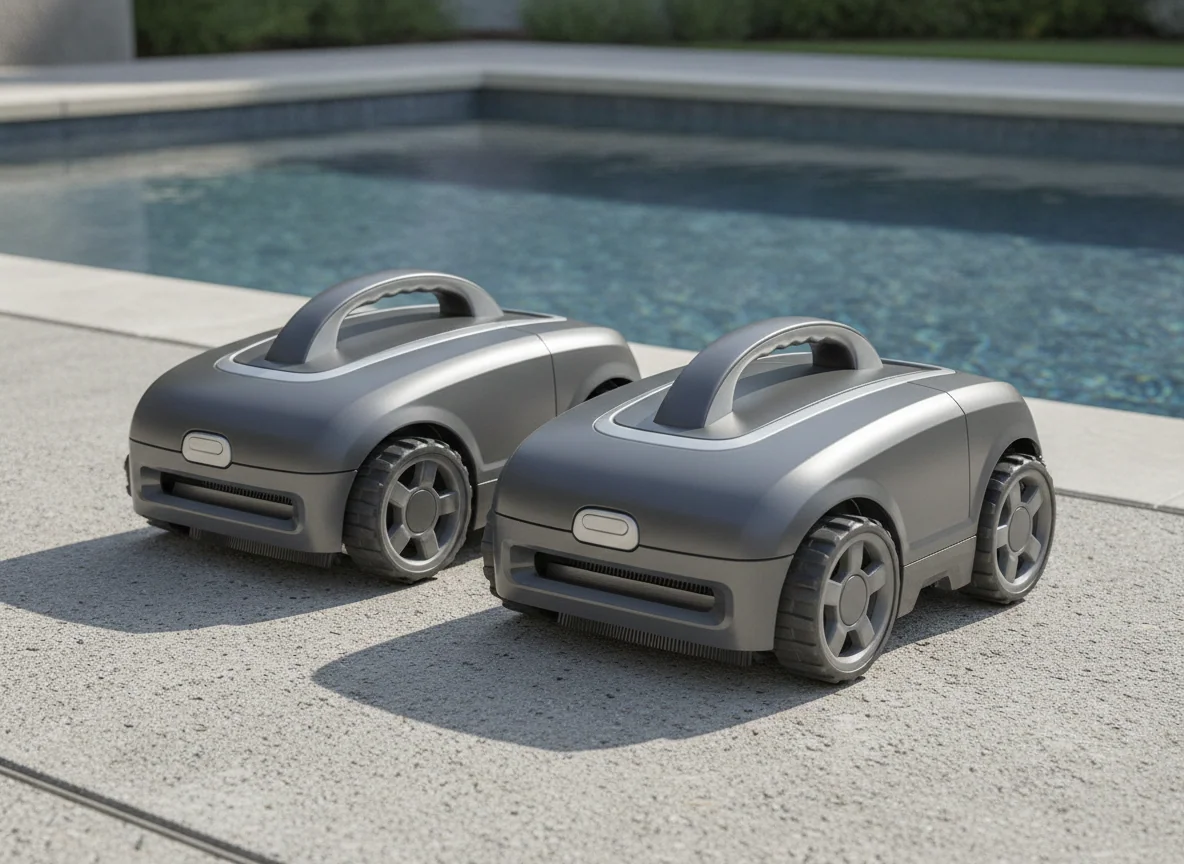
Floor debris is the closest contest
The A1 has the more interesting filtration story. Its mesh catches ordinary debris while the foam layer offers a second barrier for finer material, which is useful when the job is settled sand or silt. That advantage only matters where the robot travels. A clean filter cannot compensate for a machine repeatedly crossing one strip while another patch remains untouched.
The B1 is better equipped to disturb and collect ordinary dirt. Its rollers and edge brushes give it a physical cleaning action the A1 lacks, and its larger ambition makes it more useful after leaves, bugs, pebbles, and visible debris have settled. Fine dust is the caveat. The available B1 record does not establish an ultra-fine secondary filter comparable to the A1’s foam layer, so buyers chasing a polished finish should not treat more brushes as finer filtration.
Neither is the obvious answer for a heavy fall of large leaves. The A1’s compact debris area can fill or lose effectiveness, while the B1’s stronger ordinary-debris performance still depends on reaching every pile. If leaves are the recurring problem rather than an occasional mess, compare machines selected specifically for leaves and floating debris rather than forcing either entry-level WYBOT into the job.
Walls are where the models stop being peers
The A1 does not climb them. There is no hidden mode, app setting, or clever launch angle that turns it into a wall cleaner. It may rise slightly as it meets an edge, but its assignment remains the floor.
The B1 can physically reach vertical walls and the waterline, which is a meaningful upgrade. The distinction is between reach and dependable cleaning. A robot can touch the waterline, drop back to the floor, repeat one wall, and still leave another section largely untreated. Pools with straight walls and ordinary floor transitions give the B1 its best chance; curved sides, shallow shelves, steps, and irregular corners expose the gap between capability and coverage.
If wall scrubbing is the reason for replacing manual work, a machine that merely attempts the climb is not enough. Start with the site’s guide to cleaners chosen for walls and the waterline, where consistent reach matters more than winning this particular two-model comparison.
The app does not make the B1 a remote-controlled pool robot
The B1’s app is useful for selecting cleaning preferences, entering pool characteristics, viewing battery information, and handling firmware support while the cleaner is accessible. It should not be understood as a live underwater steering wheel. Wireless communication through pool water is limited, so the sensible routine is to choose the mode before lowering the machine.
The A1 avoids that expectation entirely. Its simpler controls reduce setup, but they also confirm how little navigation intelligence is present. It drives, reacts to boundaries, and attempts to park near an edge when the cycle ends or power runs low. It does not map the floor or remember a missed section.
Our explanation of how robotic pool-cleaner apps communicate is worth reading before paying extra for any app badge, because configuration and underwater control are not the same feature.
Cordless removes a cable, not the after-cycle work
Both machines eliminate a floating power lead and deck-side transformer during cleaning. Both still need to be retrieved, drained, opened, rinsed, dried around the charging area, and recharged. The A1’s shell can be awkward to align after filter cleaning, while the B1’s tight hood latch can make access to an otherwise simple basket irritating.
This is the practical dividing line in the broader corded versus cordless decision. Cordless handling is excellent when cable management is the main annoyance. It is less persuasive when repeated cycles, charging downtime, or manual touch-up replace the cable as the dominant chore.
Reliability keeps both machines out of the confident-buy column
The A1’s exact-model review set is small, but two retained owners describe stopping or shutting down instead of finishing a meaningful crossing. Other A1 revisions add reports involving charging, clips, wheels, and early failure. That wider material cannot establish an exact failure rate for this listing, yet it reinforces the need to test runtime and movement before the return deadline.
The B1 record carries a more severe individual failure report: a unit that had cleaned well before failing after two months, followed by an owner-described teardown that found water inside motor and circuit-board areas. One report cannot prove a design-wide sealing defect, but it is specific enough to make retailer protection part of the buying decision rather than paperwork to inspect later.
A factory water test does not settle long-term durability, and no responsible comparison can turn a handful of retained reviews into a failure percentage. The defensible position is simpler: neither model has earned the presumption that it will be trouble-free, so buy only where the return process, written warranty, and regional parts route are clear.
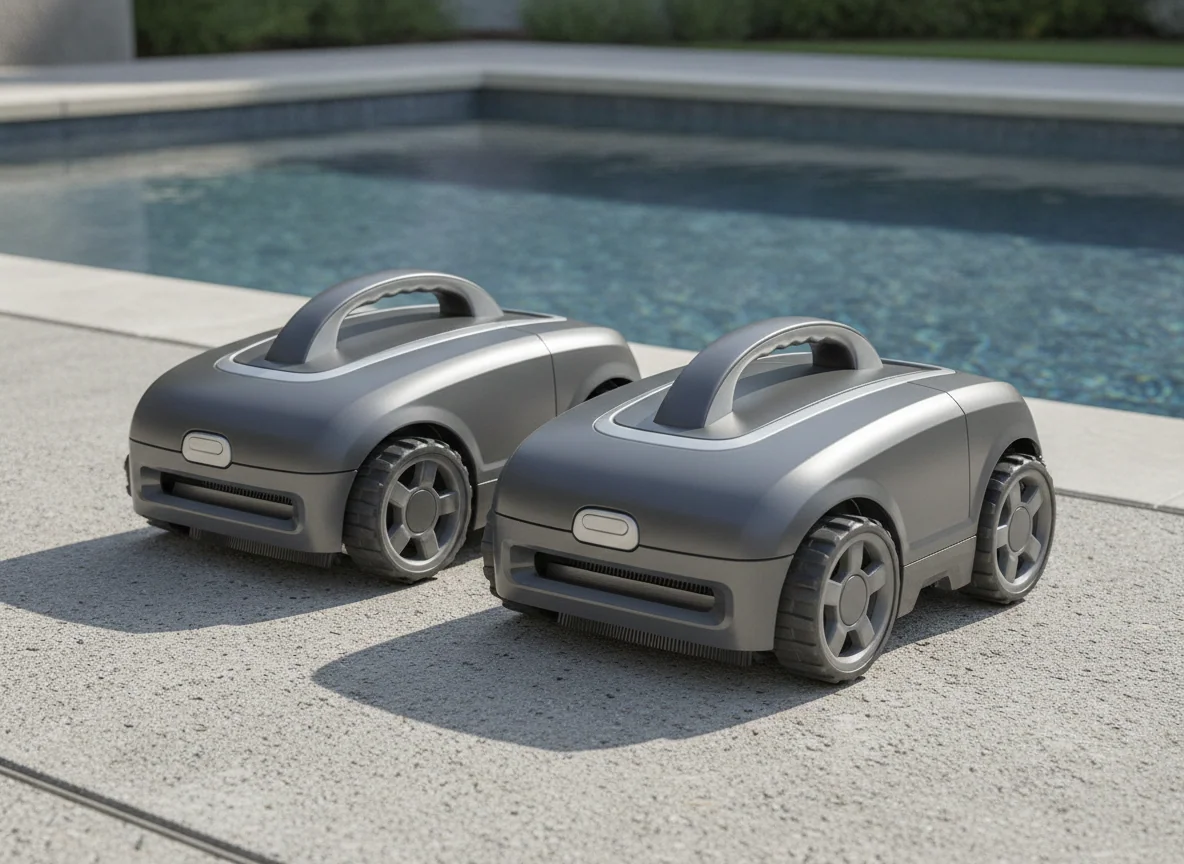
What the B1 wins
- It can clean beyond the floor and physically reach walls and the waterline.
- Its rollers and edge brushes give it a more credible attack on ordinary attached dirt.
- Its configurable modes make more sense for an owner who wants separate floor and full-pool cycles.
- It can cross ordinary transitions and some raised drains that would challenge a basic floor sweeper.
Why the victory is narrow
- Its navigation can still repeat corners, miss sections, or become stranded around difficult geometry.
- Its app should be treated as a setup interface rather than dependable underwater remote control.
- Its basket access can turn routine filter cleaning into an avoidable annoyance.
- Its owner record includes an early internal-water failure and an unresolved support complaint.
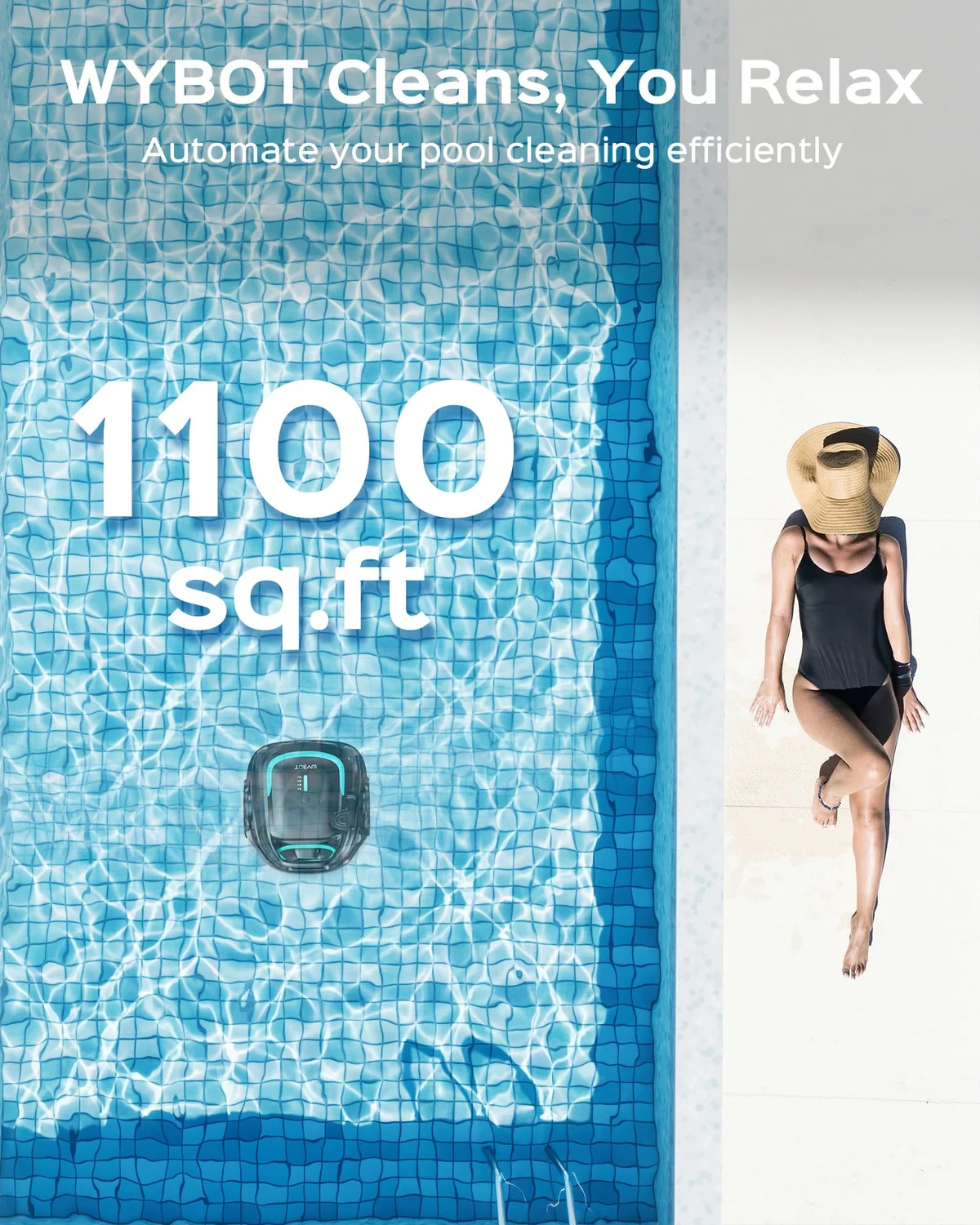
WYBOT A1
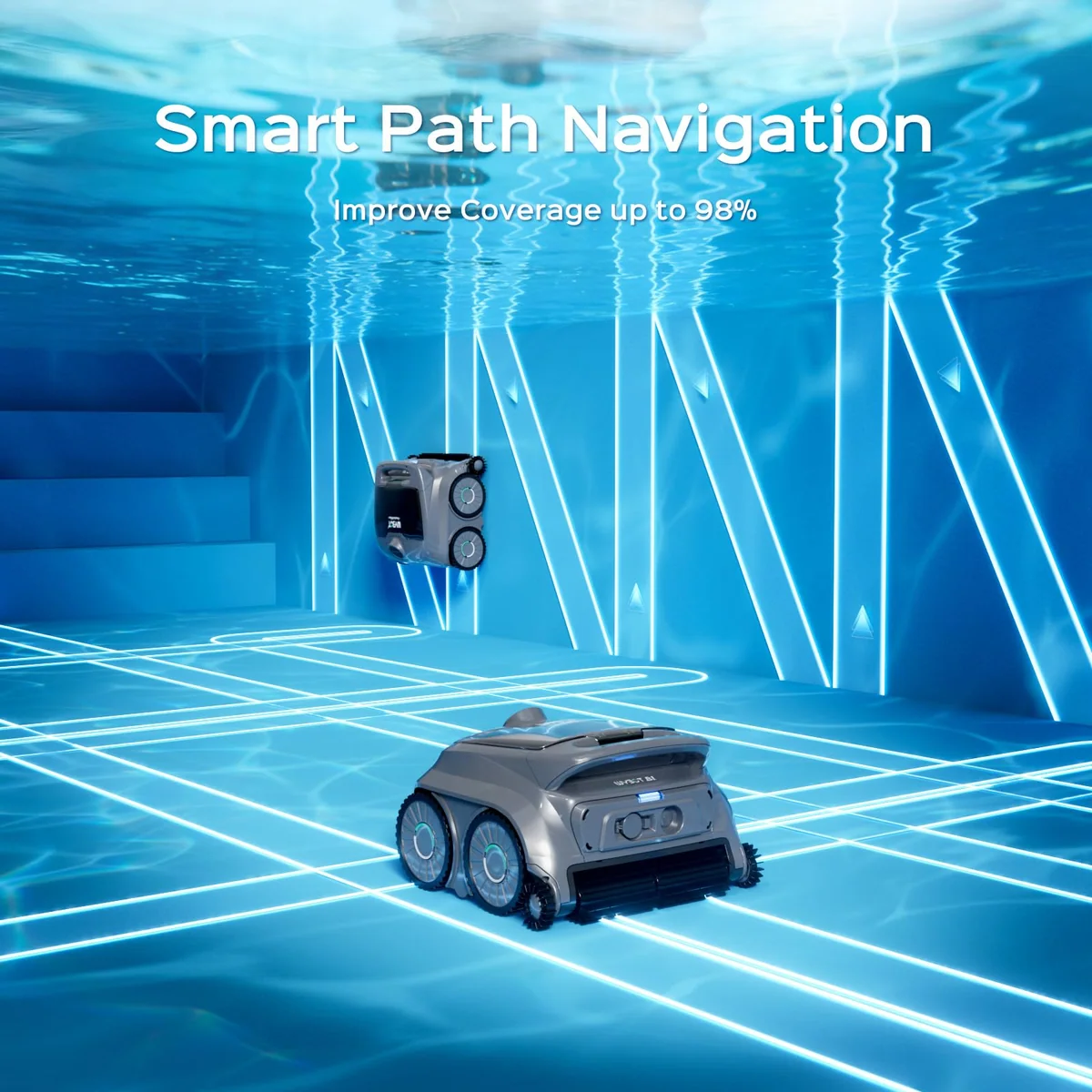
WYBOT B1
Choose by the pool you own, not the feature list you want
Choose the B1 only for a forgiving full-pool assignment
The reasonable B1 buyer has a small rectangle, oval, or similarly simple pool with clean floor-to-wall transitions, modest everyday debris, and few places where a robot can beach itself. That buyer values a light cordless machine, wants some wall and waterline cleaning, and accepts that steps or corners may still need attention.
The B1 becomes a poor gamble when the pool has a deep bowl, pronounced slopes, several steps, a large tanning shelf, irregular corners, or a requirement for ultra-fine filtration. Large advertised coverage figures do not neutralize geometry, and a long cycle spent repeating the wrong area is not useful coverage.
Choose the A1 only when the assignment ends at the floor
The A1 makes sense in a smooth above-ground pool or other flat, obstacle-light basin where the recurring mess is loose sediment, bugs, and small leaves. It is especially easy to understand as a maintenance helper between occasional brushing and deeper manual cleaning.
Reject it for a wrinkled liner, sloped bottom, raised drain, fixed ladder, deep-end transition, steps, or attached algae. A nominally flat pool can still be a bad fit if seams and puckers repeatedly interrupt the robot’s travel.
Choose neither when one complete cycle is the requirement
A complex inground pool needs more navigation margin than either record provides. A buyer who wants dependable wall scrubbing, broad fine-particle capture, established support, or less uncertainty around sealing and batteries should move beyond this comparison rather than asking which compromise is smaller.
The cordless robotic cleaner guide is the right next stop if a battery is non-negotiable. If a cord is acceptable in exchange for active scrubbing and a more established full-pool design, read the Dolphin Nautilus CC assessment and account honestly for its floor-and-wall scope rather than assuming it cleans the waterline.
Use the first cycles as an acceptance test
- Confirm that the cleaner runs for a meaningful cycle instead of stopping within minutes.
- Watch every transition, including drains, wrinkles, slopes, steps, shelves, and wall junctions.
- Mark several dirty patches before launch and check whether the route reaches each one.
- Verify that end-of-cycle parking leaves the machine close enough for safe retrieval.
- Open, rinse, reseat, and close the filter assembly without forcing clips or latches.
- Inspect the charging cover and surrounding seal before every submersion.
- Save the order record, warranty language, seller contact details, and return deadline.
Do not spend the return window explaining away a robot that repeatedly strands itself, stops early, or ignores the same patch. Pool fit is part of performance, and a machine that works only after regular rescue has failed the cordless-convenience argument.
Smart Pool Bots gives the B1 the win because it can do meaningfully more work in the right pool. Most buyers should still pass on both, while the narrow A1 buyer should prefer its honest floor-sweeper role to paying for B1 capabilities that an awkward pool may never receive consistently.
Frequently Asked Questions
Can the A1 manual be used for the B1?
No, the A1 and B1 have different cleaning reach, controls, filters, and operating modes, so use only the manual supplied for the exact model and listing.
Does the B1 app control the cleaner underwater?
No direct evidence establishes dependable live underwater control, so use the app to select settings before the B1 is submerged.
Which model is better for fine settled debris?
The A1 has the stronger documented filtration case because it pairs a 180 μm mesh with textured foam, although missed floor areas can still limit the result.
Can either model be trusted to clean steps?
No, the floor-only A1 is not designed for them and the B1 may reach some transitions but can become stranded on unfavorable steps or shelves.
Should I assume a replacement charger or battery will be easy to find?
No verified model-specific replacement route was established for this comparison, so confirm the exact part number, warranty process, and regional service path with the seller before ordering.
Ready to Choose?
Sources (2)
- Amazon listings and customer reviews — Wybot A1 and Wybot B1
- Owner and reviewer video, 2 channels